If you are taking Ozempic, Wegovy, Mounjaro, or another GLP-1 medication and have noticed more headaches, muscle cramps, afternoon fatigue, or constant low-level thirst, you are not imagining it. Many people taking these medications experience dehydration or reduced electrolyte levels, yet it is rarely discussed during the weight-loss journey.
The good news is that dehydration is often manageable once you understand why it happens. A few simple hydration habits can make a noticeable difference to how you feel throughout the day. This article is intended as general information only and should not replace advice from your healthcare professional.
Does Ozempic Actually Cause Dehydration?
Ozempic and other GLP-1 medications do not directly cause dehydration, but several of their effects can increase your risk over time. Most people become dehydrated gradually rather than suddenly, making it easy to overlook the early warning signs.
Instead of one major cause, dehydration often develops because several small changes happen simultaneously. Eating less, drinking less, and experiencing digestive side effects can all contribute to lower fluid and electrolyte levels.
Why GLP-1 Medications Can Leave You Low on Fluids and Electrolytes
Understanding why dehydration happens makes it much easier to prevent. Once you know the factors that contribute to fluid and electrolyte loss, you can make small adjustments to your daily routine that help you stay hydrated and feel your best while taking a GLP-1 medication.
You Eat Less Than Before
One of the main purposes of GLP-1 medications is to reduce appetite. While this supports weight management, it also means you naturally consume less food throughout the day.
Food provides more than calories. It also supplies water along with important minerals such as sodium, potassium, and magnesium. When your meals become smaller, your intake of these nutrients decreases as well.
Your Thirst Signal Becomes Less Obvious
Many people notice that their thirst decreases alongside their appetite. Rather than feeling thirsty, they simply experience headaches, fatigue, or reduced concentration without realising dehydration may be contributing.
Because your thirst response becomes less reliable, waiting until you feel thirsty is no longer the best way to manage your hydration.
Digestive Side Effects Increase Fluid Loss
Nausea, vomiting, diarrhoea, and other digestive symptoms are common, especially when first starting treatment or after increasing your dosage. These symptoms cause your body to lose water and essential electrolytes much faster than usual.
Replacing both fluids and minerals becomes particularly important during these periods to help maintain normal hydration.
Sodium Levels May Also Change
Research suggests GLP-1 medications may influence how the kidneys regulate sodium. Sodium helps your body retain water, so losing more sodium may make it harder for your body to stay properly hydrated.
When these factors occur together, your body often takes in less fluid while simultaneously losing more.
Signs You May Be Dehydrated
Many people assume dehydration always causes intense thirst, but that is not always the case when taking GLP-1 medications. Instead, symptoms are often much more subtle and can easily be mistaken for medication side effects.
Common signs of dehydration include frequent headaches, muscle cramps that are often more noticeable at night, ongoing fatigue or low energy, brain fog or difficulty concentrating, dizziness when standing, dry mouth or lips, and dark-coloured urine or urinating less frequently than usual. While these symptoms can occur for other reasons, they are commonly associated with dehydration and low electrolyte levels in people taking GLP-1 medications.
If these symptoms continue despite increasing your water intake, your electrolyte levels may also need attention. Speaking with your healthcare professional can help determine whether dehydration or another underlying issue may be contributing to your symptoms.
Why Drinking More Water May Not Be Enough
Water is essential for good hydration, but it is only one part of the equation. Your body also relies on electrolytes to absorb, transport, and retain fluids effectively.
When sodium, potassium, magnesium, and calcium become depleted, drinking large amounts of plain water may not completely restore hydration. This is one reason why some people continue feeling tired or sluggish despite drinking throughout the day.
Many Australians choose to include a daily electrolyte supplement alongside regular water intake, particularly when following a reduced-calorie eating plan. You can explore our ReVitalise Hydration Collection to find products designed to support everyday hydration.
A Practical Daily Hydration Routine
Good hydration does not need to be complicated. Building a few simple habits into your day can help support consistent fluid and electrolyte intake while making it easier to stay hydrated over the long term.
Drink Water at Set Times
Rather than relying on thirst, build water into your existing routine. Drinking a glass when you wake up, before meals, and throughout the afternoon helps create consistency without needing to remember every time.
Replace Electrolytes Daily
Electrolytes help replace the minerals that may be reduced through smaller meals or digestive losses. Choosing a sugar-free option allows you to support hydration without adding unnecessary sugar to your daily routine.
Prepare for Challenging Days
Hot weather, exercise, travel, or digestive symptoms can all increase your fluid losses. Planning ahead by increasing both your water and electrolyte intake can help you stay hydrated when your body needs additional support.
Monitor Your Hydration
Checking your urine colour is one of the easiest ways to monitor hydration. Pale yellow urine generally indicates good hydration, while darker urine often signals that you need more fluids.
Include Mineral-Rich Foods
Although your appetite may be reduced, foods such as leafy greens, avocado, yoghurt, and lightly salted meals can still contribute valuable electrolytes alongside your hydration routine.
Where Electrolytes Fit Into Your Routine
Electrolyte supplements are designed to complement your water intake rather than replace it. They provide important minerals that help your body maintain normal hydration throughout the day.
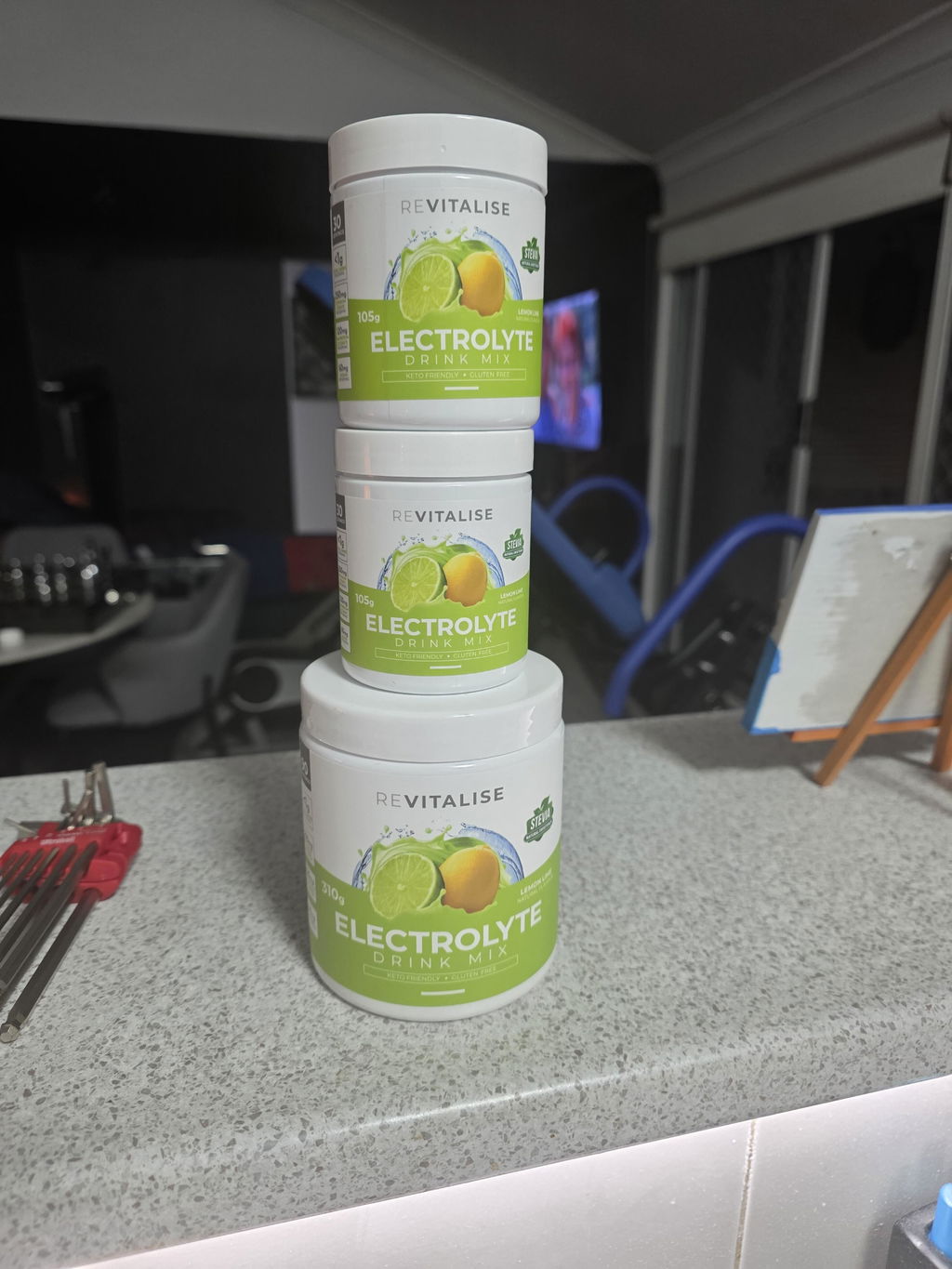
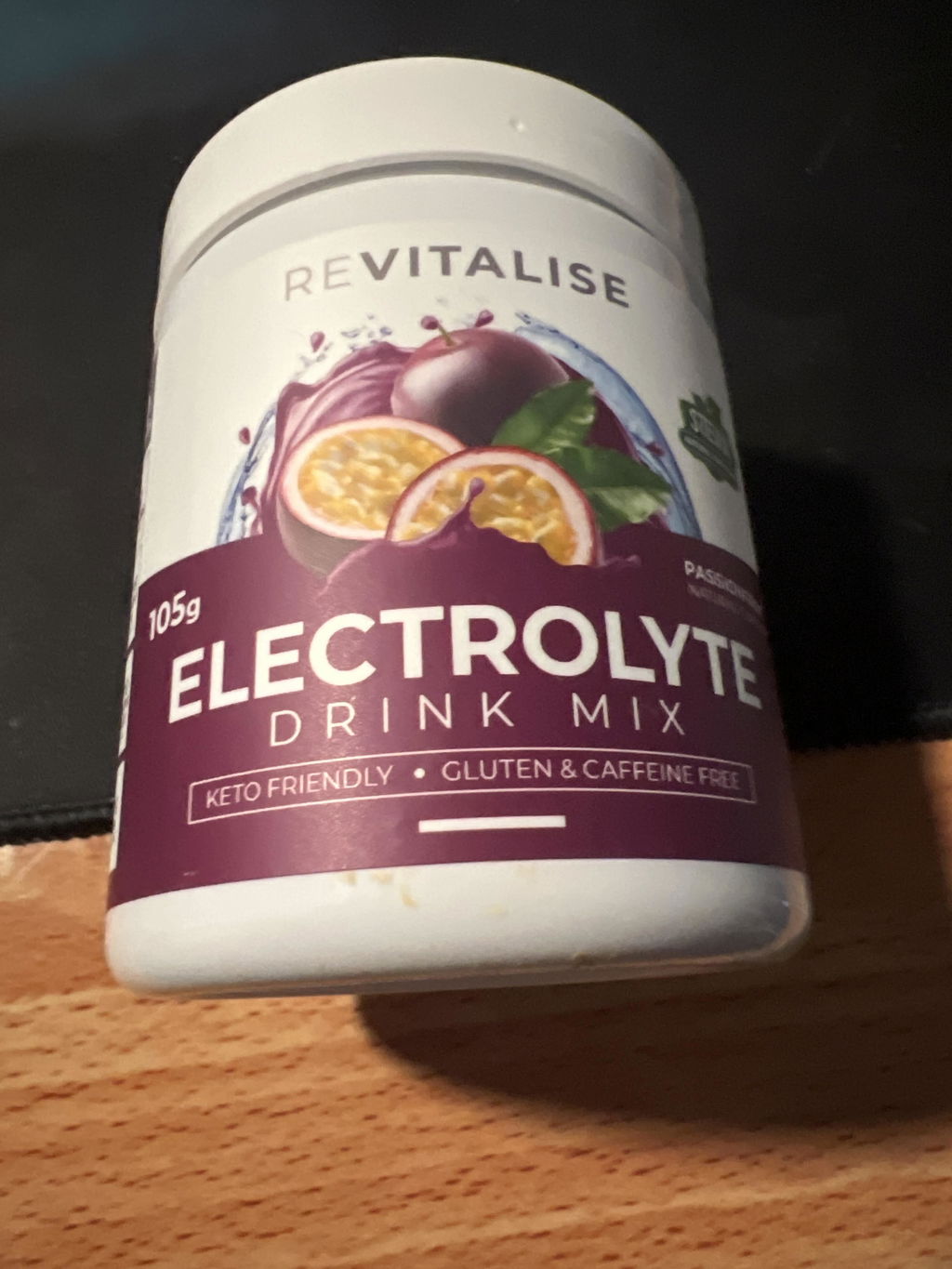
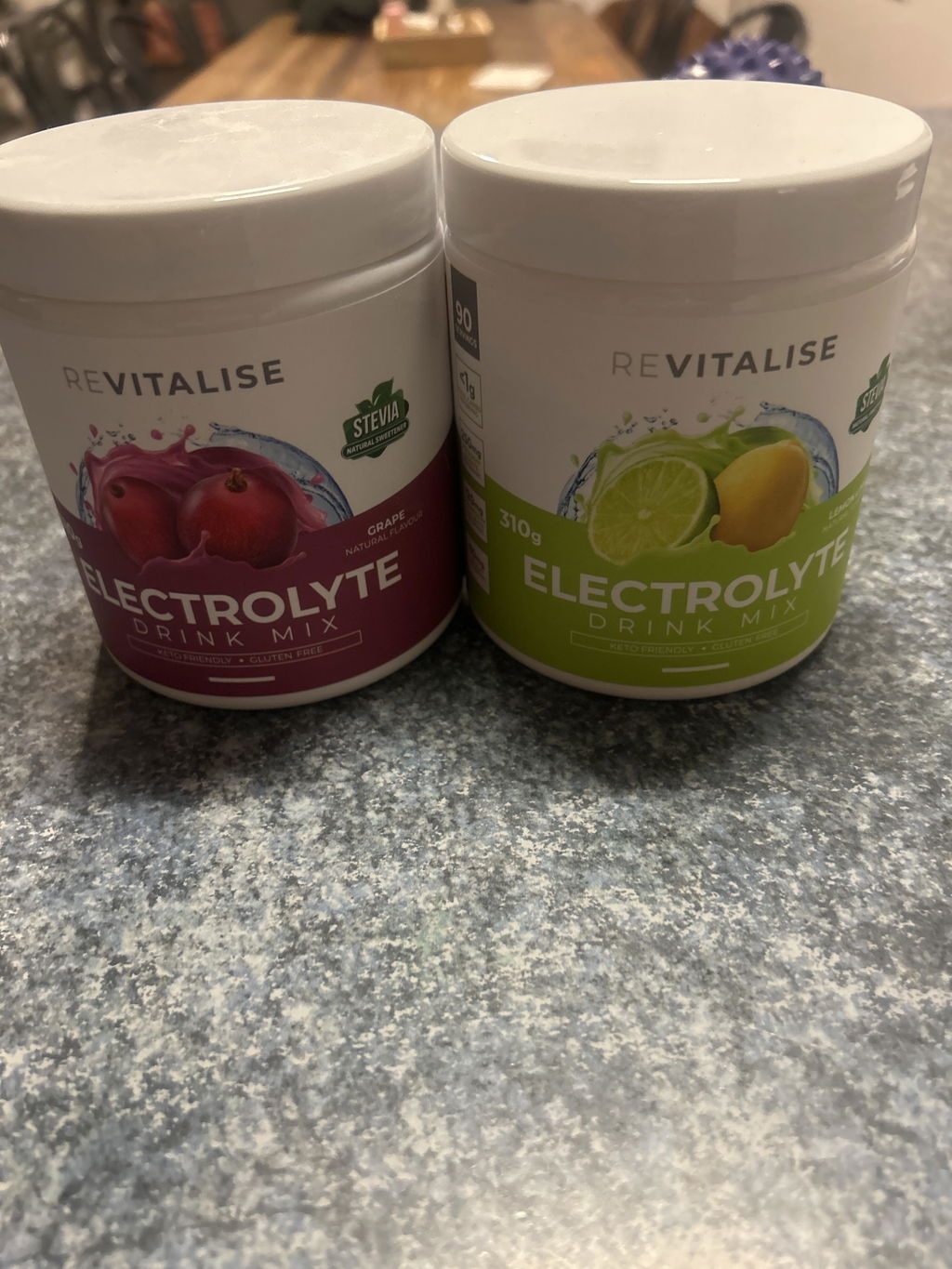
Revitalise Electrolytes contains sodium, potassium, magnesium, and calcium in a sugar-free formula with fewer than seven calories per serve. It is designed to support everyday hydration, particularly for people eating smaller meals.
For times when fluid losses are greater, such as after heavy sweating, illness, or digestive upset, ReVitalise Sodium+ Electrolytes provides additional sodium to help support hydration when your body's needs increase.

Common Questions About Hydration and Ozempic
Can I take electrolytes while using Ozempic?
Many people include electrolyte supplements as part of their daily hydration routine while taking GLP-1 medications. However, because everyone's medical history is different, you should always speak with your GP or pharmacist before introducing any new supplement, particularly if you have kidney disease or take prescription medications.
How much water should I drink while taking Ozempic?
There is no single amount that suits everyone. Instead of aiming for a fixed number of glasses, focus on drinking consistently throughout the day and maintaining pale yellow urine as a practical hydration indicator.
Will electrolytes affect my weight-loss goals?
Sugar-free electrolyte supplements are designed to support hydration without contributing significant calories. Products such as Electrolyte+ contain fewer than seven calories per serve, making them suitable for many calorie-conscious lifestyles.
Are headaches and muscle cramps always caused by dehydration?
Not always. While dehydration and low electrolyte levels are common causes, persistent headaches, muscle cramps, or dizziness should always be discussed with your healthcare professional to rule out other medical conditions.
This article is intended for general information only and is not intended to diagnose, treat, cure, or prevent any disease or condition. It should not replace professional medical advice. Always consult your healthcare professional before making changes to your diet, hydration routine, or supplement intake, particularly if you are taking prescription medication.