Losing weight is the goal. Losing your strength along with it is not. Weight loss medications such as Ozempic®, Wegovy® and Mounjaro® have helped many Australians achieve significant weight loss by reducing appetite and making it easier to maintain a calorie deficit. While this can have a positive impact on overall health, rapid weight loss can also lead to the loss of lean muscle alongside body fat if the right steps are not taken.
Muscle is far more than something that helps you look toned. It supports everyday movement, healthy ageing, balance, metabolism and overall physical function. Preserving muscle while losing fat can make a significant difference to how you feel during your weight loss journey and beyond.
Fortunately, muscle loss is not inevitable. Research continues to show that adequate protein intake, regular resistance exercise and daily creatine supplementation may all play an important role in helping maintain lean muscle while losing weight.
At ReVitalise Daily, we believe the best health habits are the ones you can maintain every day. If you are taking a GLP-1 medication, understanding how to support your body during weight loss is just as important as the number you see on the scales.
Do Weight Loss Medications Cause Muscle Loss?
Weight loss medications do not directly cause your muscles to break down. However, rapid weight loss of any kind usually results in some loss of lean body mass alongside fat loss. Because GLP-1 medications reduce appetite, many people naturally consume fewer calories and, in some cases, less protein than their body needs to maintain muscle.
Research on significant weight loss consistently shows that a portion of the weight lost comes from lean tissue rather than body fat alone. The amount varies from person to person and depends on several factors, including age, activity levels, protein intake and overall nutrition.
The encouraging news is that these are all factors you can influence. While you cannot completely eliminate muscle loss during weight reduction, you can significantly reduce it by supporting your body with the right daily habits.
Why Muscle Matters More Than the Number on the Scale
When people begin losing weight, it is natural to focus on the scales. However, the number alone does not tell the full story. Losing fat and losing muscle produce very different outcomes for your long-term health.
Muscle supports your ability to perform everyday activities, whether that means carrying groceries, climbing stairs, exercising or simply maintaining independence as you age. It is also metabolically active tissue, meaning it contributes to the amount of energy your body uses each day. Healthy muscle also supports posture, balance and joint stability, all of which become increasingly important over time.
If too much muscle is lost during weight reduction, you may notice reduced strength, increased fatigue and slower physical recovery. Rebuilding muscle is also more difficult as we get older, particularly after the age of 40, making preservation an important part of any successful weight loss plan.
The goal should not simply be losing weight. The goal is to lose more body fat while protecting the muscle underneath.
Why Eating Less Can Increase Muscle Loss
One reason muscle loss can occur during GLP-1 treatment is because people naturally eat much less than they did before starting medication. Smaller meals often mean lower protein intake unless protein is prioritised throughout the day.
When your body is in a calorie deficit, it needs enough dietary protein to repair and maintain muscle tissue. Without adequate protein, your body has fewer building blocks available to support lean muscle while losing fat.
This is why healthcare professionals often recommend paying closer attention to nutrition during weight loss rather than simply focusing on eating less. Building smaller meals around quality protein can make a meaningful difference to preserving strength throughout the process.
The Three Habits That Help Protect Muscle
Fortunately, protecting muscle during weight loss does not require complicated routines. The research consistently points to three key habits working together.
Prioritise Protein
Protein provides the amino acids your body needs to repair and maintain muscle tissue. Because appetite is often reduced while taking GLP-1 medications, meeting your daily protein requirements can become more challenging. Including protein with each meal can help support muscle maintenance while remaining in a calorie deficit.
Include Resistance Training
Resistance exercise provides the signal your muscles need to stay strong. Whether you use bodyweight exercises, resistance bands, free weights or gym machines, challenging your muscles a few times each week tells your body that this tissue is still needed.
You do not need intense workouts every day. Consistency is far more important than perfection, and even shorter sessions performed regularly can help support muscle while you continue to lose weight.
Take Creatine Daily
Creatine is one of the most extensively researched supplements available. Unlike many sports supplements, its benefits are supported by decades of scientific research.
Rather than providing an immediate boost, creatine works by gradually increasing the amount of creatine stored inside your muscles. These stores help supply energy during short bursts of activity such as lifting weights, climbing stairs or performing everyday movements that require strength. Because creatine works through saturation, taking it consistently every day is much more important than when you take it.

What the Research Says About Creatine
Research suggests that creatine, when combined with adequate protein intake and resistance training, may help support the maintenance of lean muscle during periods of calorie restriction.
It is important to understand that creatine is not a replacement for exercise or good nutrition. Instead, it works alongside these habits to help support muscle performance and lean muscle preservation. The strongest evidence continues to show that people who combine resistance training with consistent creatine supplementation experience greater support for muscle maintenance than relying on either strategy alone.
That is why creatine should be viewed as one piece of a well-rounded approach rather than a standalone solution. Like protein and resistance exercise, consistency is what delivers the greatest long-term benefit.
How ReVitalise Daily Can Support Your Routine
Consistency is one of the most important factors when it comes to creatine. Because it works by maintaining saturated muscle stores, taking it every day matters far more than taking it immediately before or after exercise.
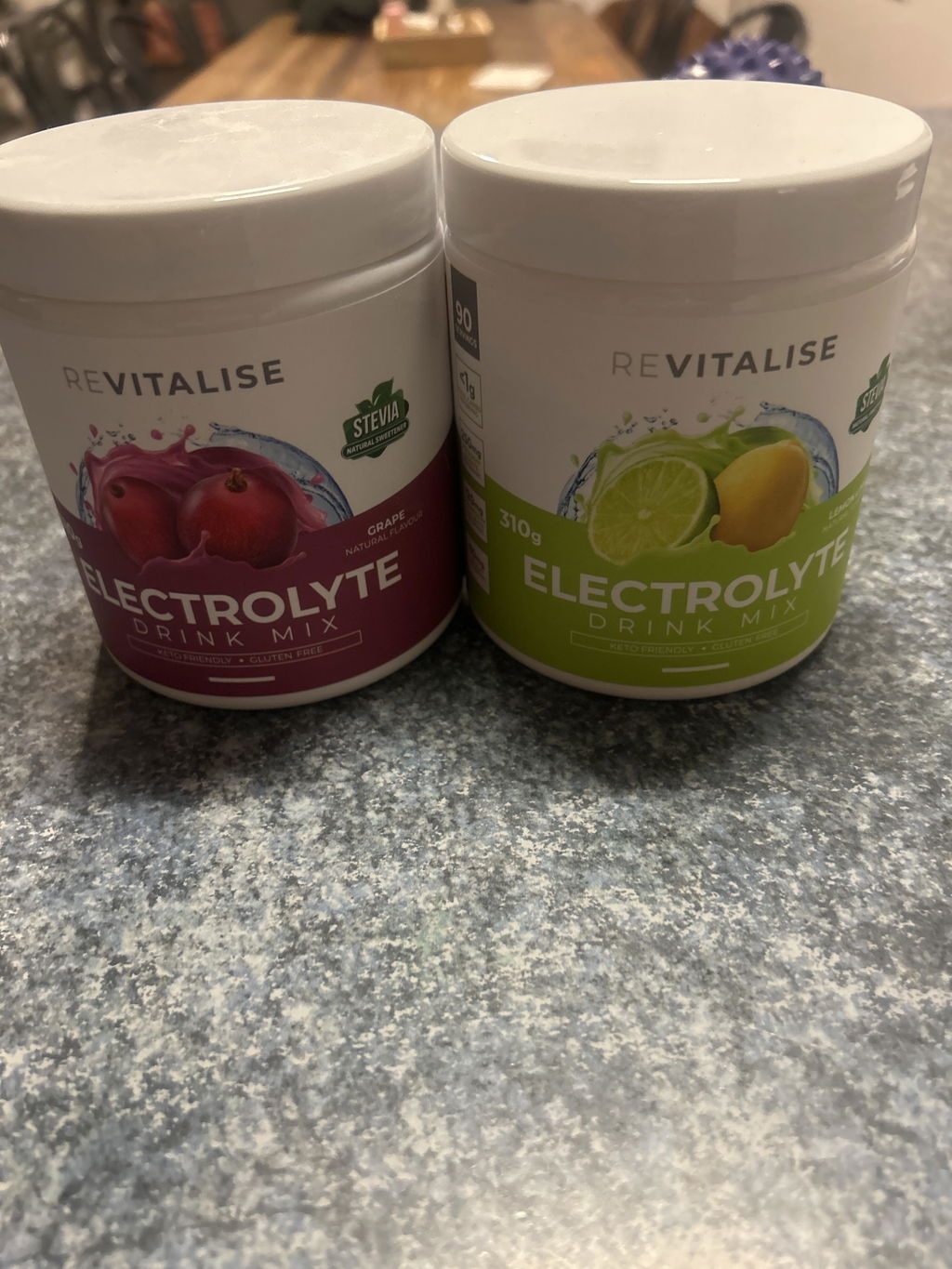
ReVitalise Creatine+ Electrolytes combines premium creatine monohydrate with electrolytes in a convenient sugar-free formula, making it easy to support both hydration and daily creatine intake with one simple habit. Pairing it with ReVitalise Balanced Electrolytes can also help support your hydration routine while eating less or increasing physical activity.
We will never claim that supplements replace healthy eating, exercise or medical advice. What the research does show is that combining adequate protein, resistance training and consistent daily creatine provides one of the most evidence-based approaches to supporting lean muscle during weight loss.
Supporting Healthy Weight Loss Means Supporting Your Muscle
Successful weight loss is about far more than watching the scales drop. Preserving lean muscle helps support strength, healthy movement, metabolism and overall wellbeing long after the weight loss journey is complete.
If you are using a GLP-1 medication, remember that the habits you build alongside your treatment matter just as much as the medication itself. Prioritising protein, including regular resistance training and taking creatine consistently may help support lean muscle while you work towards your weight loss goals. Small, sustainable habits often make the biggest difference over time.
This article is intended for general information only and should not be considered medical advice. It is not intended to diagnose, treat, cure or prevent any disease or health condition. Always consult your healthcare professional before making changes to your diet, exercise routine or supplement program, particularly if you are taking prescription medication.