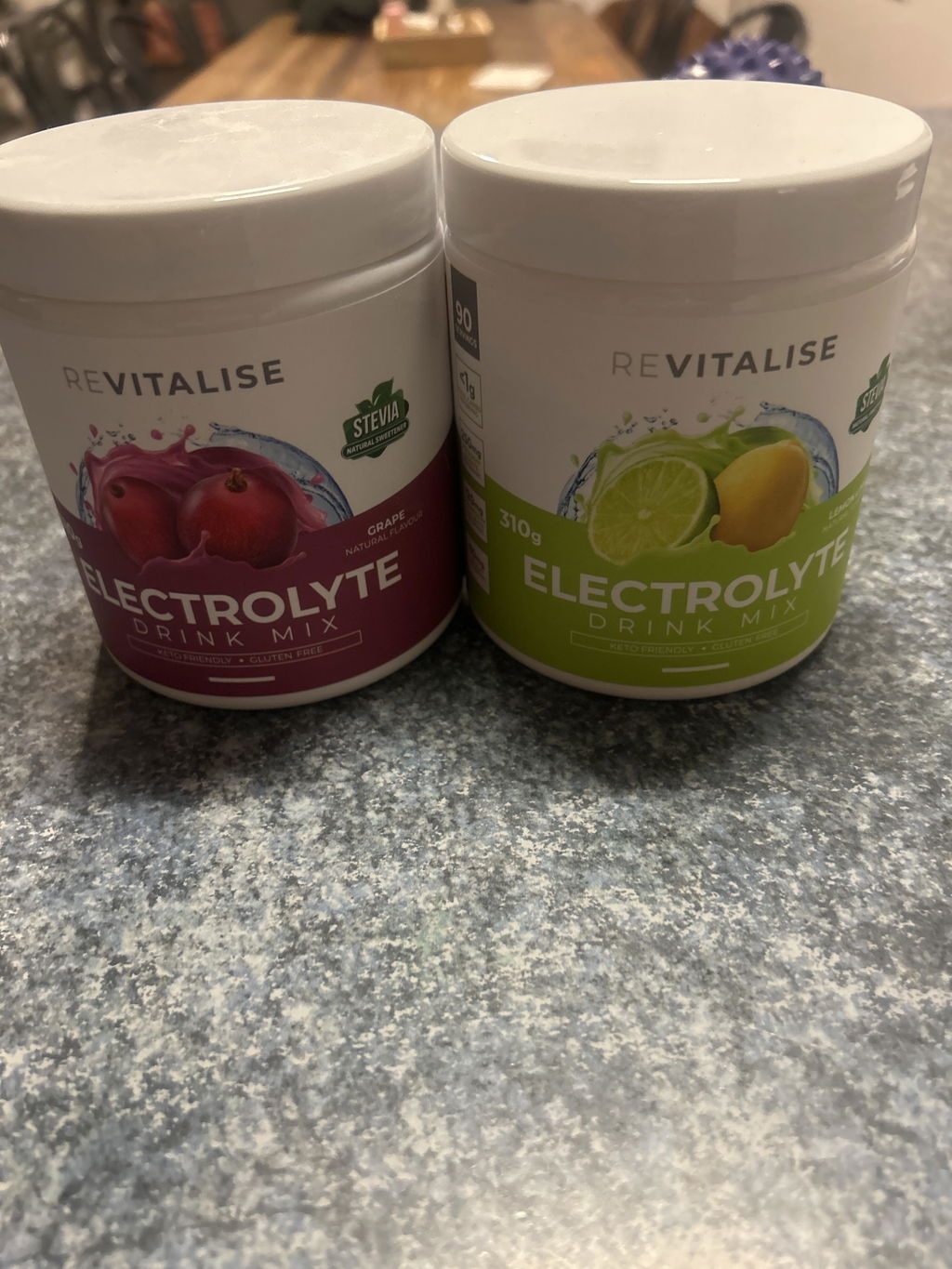
If you have ever wondered when to use electrolytes, you are not alone. For many people, electrolytes still feel like something reserved for athletes, hot days or intense exercise. But in real life, hydration needs can show up in many different moments, from early morning training and long workdays to running, strength sessions, recovery, family life and everyday movement.
Electrolytes are not about creating a complicated wellness routine. They are about making hydration easier to keep consistent, especially when plain water does not always feel like enough. For some people, that might mean using electrolytes before a run. For others, it might mean having them after a sweaty session, during a busy workday or as part of a daily routine that helps them keep showing up.
At ReVitalise Daily, our collaborators use electrolytes in ways that reflect real life. They are runners, CrossFit athletes, coaches, busy parents, health professionals and active Australians who all have different routines, goals and challenges. Their stories show that there is no single perfect time to use electrolytes. The best time often depends on your body, your schedule and the part of the day where you need more hydration support.
To make this more practical, we are looking at real routines from the ReVitalise Daily collaborators and the different moments electrolytes can fit into everyday life.
Before Morning Training
One of the most practical times to use electrolytes is before morning training, especially if you wake up and head straight into exercise. After a night of sleep, many people start the day feeling a little dry, flat or slow to get going. If your first activity of the day is running, strength training, pilates, yoga or a gym session, hydration can be one of the first basics to support.
Kim Meyer, an osteopath and runner, uses electrolytes before morning training because that is when she feels most dehydrated. Her routine includes running four times a week, strength training three times a week, plus pilates and yoga throughout the week. For her, electrolytes are not an afterthought. They are part of preparing her body before she trains.
She also uses a second serve before work to help avoid an energy slump. That shows how electrolytes can fit into more than one part of the day. It is not always about one drink after exercise. For some people, it can be part of a morning routine, a pre-work routine or a way to stay consistent through a busy schedule.
If you train early, the best time to take electrolytes may be before you start moving, especially if you often feel dehydrated in the morning or know you are about to sweat.
After Sweaty Training Sessions
Electrolytes are often used after training, especially when a session leaves you sweating heavily. This is where sodium-based electrolytes can be especially useful for people who train regularly or exercise at a higher intensity.
Louise Garland, a CrossFit box owner and CrossFit athlete, uses Sodium+ Electrolytes as part of her routine. Her training includes CrossFit five to six days a week, two weekly running sessions and basketball. With that level of activity, hydration is not just something she thinks about occasionally. It supports her day-to-day consistency.
Louise shares that she sweats a lot during training and relies on sodium-based electrolytes to support performance, recovery and overall consistency. This is a great example of when a higher-sodium formula may make sense. If you are losing a lot of fluid through sweat, plain water may not always feel like enough.
For people doing CrossFit, running, gym sessions, team sport, cycling, pilates or any activity that leaves them feeling depleted, electrolytes can be useful after training as part of a recovery routine.

When You Sweat Heavily
Some people naturally sweat more than others. If you are a heavy sweater, you may notice that your hydration needs feel different to someone else doing the same activity. You might drink water and still feel flat, tired or slower to recover.
Ben Richardson, an elite performance coach, trains multiple times a day and works as a strength and conditioning coach for combat athletes. His background includes high-level soccer across the UK, USA and Sweden, and his current routine includes soccer, gym training and running.
Ben has shared that hydration has been a big game changer for him because he is a heavy sweater. For his routine, staying on top of hydration and nutrition is essential, and high-sodium electrolytes have helped with performance and recovery.
This is one of the clearest examples of when higher-sodium electrolytes may be useful. If you sweat heavily, train more than once a day, exercise in warm weather or regularly finish workouts soaked through, your hydration routine may need more than plain water.
During Running, Gym Training and Active Workdays
Electrolytes can also support people whose routines combine training, work and daily movement. This is especially relevant when someone has an active job, trains outside of work and still needs energy for everyday life.
Deano, a running coach and athlete, is also a paramedic. His routine includes daily walks with his two Border Collies, running and gym training. He has shared that hydration is a big thing for him because he sweats heavily and loses electrolytes easily.
Before using ReVitalise Daily, Deano said he was drinking water during exercise and Pepsi Max or cordial during the day, but still felt flat most days. He noticed that his workouts and recovery suffered because he was not replacing electrolytes properly.
Since adding electrolytes into his routine, he has noticed improvements across running, weights, energy for walking the dogs, energy for daily life and work, and recovery. This makes his routine a strong example of how to use electrolytes daily in a way that supports more than just exercise.
For busy people, electrolytes may fit into the day before work, after training, during a long shift or when energy starts to dip. It does not have to be complicated. It can simply be part of replacing what your body loses and supporting the way you already live.
For Strength Training and Running
Electrolytes are often linked with running and cardio, but they can also be useful for people who strength train. Gym sessions, heavy lifting, hybrid training and circuit-style workouts can all involve sweat, physical demand and recovery needs.
Sarah Jane, a proud mum of four and nana of three, has a routine built around strength training and running. Her approach is focused on consistency, showing up in different seasons of life and building a sustainable lifestyle that keeps her strong and capable.
She shares that hydration and electrolytes play a big role in her routine. With a mix of running and strength training, staying properly hydrated supports her energy, performance and recovery, so she can keep showing up consistently.
This is an important reminder that electrolytes are not only for elite athletes or people chasing performance goals. They can also support everyday consistency, especially for people balancing training with family, work, recovery and real life.
For Mental Reset and Everyday Wellness
Many people start training for physical reasons, but the routine often becomes just as important for mental wellbeing. Several ReVitalise Daily collaborators speak about movement as something that supports how they feel day to day.
Kim Meyer shares that she became interested in running as a way to channel her competitive energy, and that she now values it mostly for her mental health. Sarah Jane describes training as her outlet, a place where she resets, rebuilds and reminds herself what she is capable of.
When movement becomes part of your mental reset, hydration becomes part of supporting that routine. You do not need to wait until you feel completely depleted. Electrolytes can fit into the habits that help you stay steady, consistent and ready to keep going.
This is where electrolytes for everyday life becomes more relevant. They are not only for a specific race or event. They can be part of the small daily habits that help support your routine across training, work, parenting, recovery and wellbeing.
For Recovery After Training
Recovery is one of the most common reasons people use electrolytes. After a hard session, your body needs fluids, food, rest and time to repair. If you have been sweating, electrolytes can be part of that recovery process.
Louise Garland uses sodium-based electrolytes to support performance, recovery and consistency. Ben Richardson also uses high-sodium electrolytes to support performance and recovery as someone who trains multiple times a day. Deano noticed that his recovery improved after he started replacing electrolytes properly.
These routines show that recovery is not just about what happens immediately after training. It affects how you feel later in the day, how ready you are for the next session and how consistently you can keep showing up.
If you often finish training feeling flat, washed out or slow to recover, electrolytes may be worth adding to your post-training routine.
For Busy Family Life
Not every hydration routine revolves around sport. Family life can be demanding too. Between work, parenting, household routines, errands, training and general life admin, hydration can easily be pushed to the bottom of the list.
Sarah Jane’s story reflects this well. As a mum of four and nana of three, her routine is not about chasing perfection. It is about building a sustainable lifestyle, listening to her body and staying consistent through different seasons of life.
For parents and busy households, electrolytes can be a simple way to make hydration easier. You might use them after a morning workout, during a busy day at home, after school drop-off, before an afternoon walk or when you realise you have barely had any water.
The more realistic the routine is, the easier it is to maintain. That is why a daily hydration habit should fit into your life rather than feeling like one more task to remember.
For Daily Walks and Low-Intensity Movement
Electrolytes are not only for intense sessions. Daily walks, outdoor activity and low-intensity movement can still contribute to fluid loss, especially in warm weather or when done consistently.
Deano’s daily walks with his two Border Collies are a good example of this. They may not be the same as a long run or gym session, but they are still part of an active lifestyle. When combined with running, gym training and paramedic work, they all contribute to his overall routine.
For many Australians, daily movement includes dog walks, beach walks, commuting, outdoor jobs, errands, school runs and general activity. Electrolytes can fit into these moments too, particularly on hot days or when you are already feeling flat.
Before Work or During an Energy Slump
Another practical time to use electrolytes is before work or during the part of the day when you usually feel your energy drop. This does not mean electrolytes are a replacement for food, sleep or rest, but hydration can still be one of the simplest basics to support.
Kim Meyer uses a second dose before work to help avoid an energy slump. Deano also noticed better energy for work and daily life after replacing electrolytes properly. These are real examples of electrolytes being used outside of a traditional workout window.
If your mornings are rushed, your job is active, or you often feel flat before starting work, electrolytes may fit naturally into that part of your day. For some people, it can be as simple as mixing a drink before leaving the house or keeping sachets at work.
For Building Better Habits
One thing that comes through strongly across the ReVitalise Daily collaborator stories is consistency. Kim talks about managing load and fuelling properly. Louise encourages people to find something they genuinely enjoy because consistency comes more naturally that way. Sarah Jane focuses on showing up without chasing perfection. Deano talks about real change taking time and doing it properly. Ben highlights the importance of enjoying the process to build a lasting habit.
Hydration is part of that same idea. It does not need to be extreme or overcomplicated. The goal is to make it easier to do the simple things well, again and again.
If you are trying to build a better routine, electrolytes can be attached to habits you already have. You might take them before training, after a run, during a work break, before school pick-up or whenever you refill your water bottle.
The easier the habit feels, the more likely you are to keep it.
So, When Is the Best Time to Take Electrolytes?
The best time to take electrolytes depends on your routine. The ReVitalise Daily community uses them at different times because their lives, training styles and needs are different.
Some people use electrolytes before morning training because they wake up feeling dehydrated. Others use them after sweaty sessions to support recovery. Heavy sweaters may choose high-sodium electrolytes because they lose more through training. Busy workers may use them to support energy through long days. Parents may use them as part of a simple wellness routine that fits around family life.
Useful times to consider include before early training, after sweating, after long runs, during hot weather, during busy workdays, after travel, before or after gym sessions, or when plain water does not feel like enough.
There is no one perfect time for everyone. The best routine is the one that fits your body and your day.
How to Use Electrolytes Daily
If you want to know how to use electrolytes daily, start by keeping it simple. Choose one moment in your day where hydration already matters, then build from there.
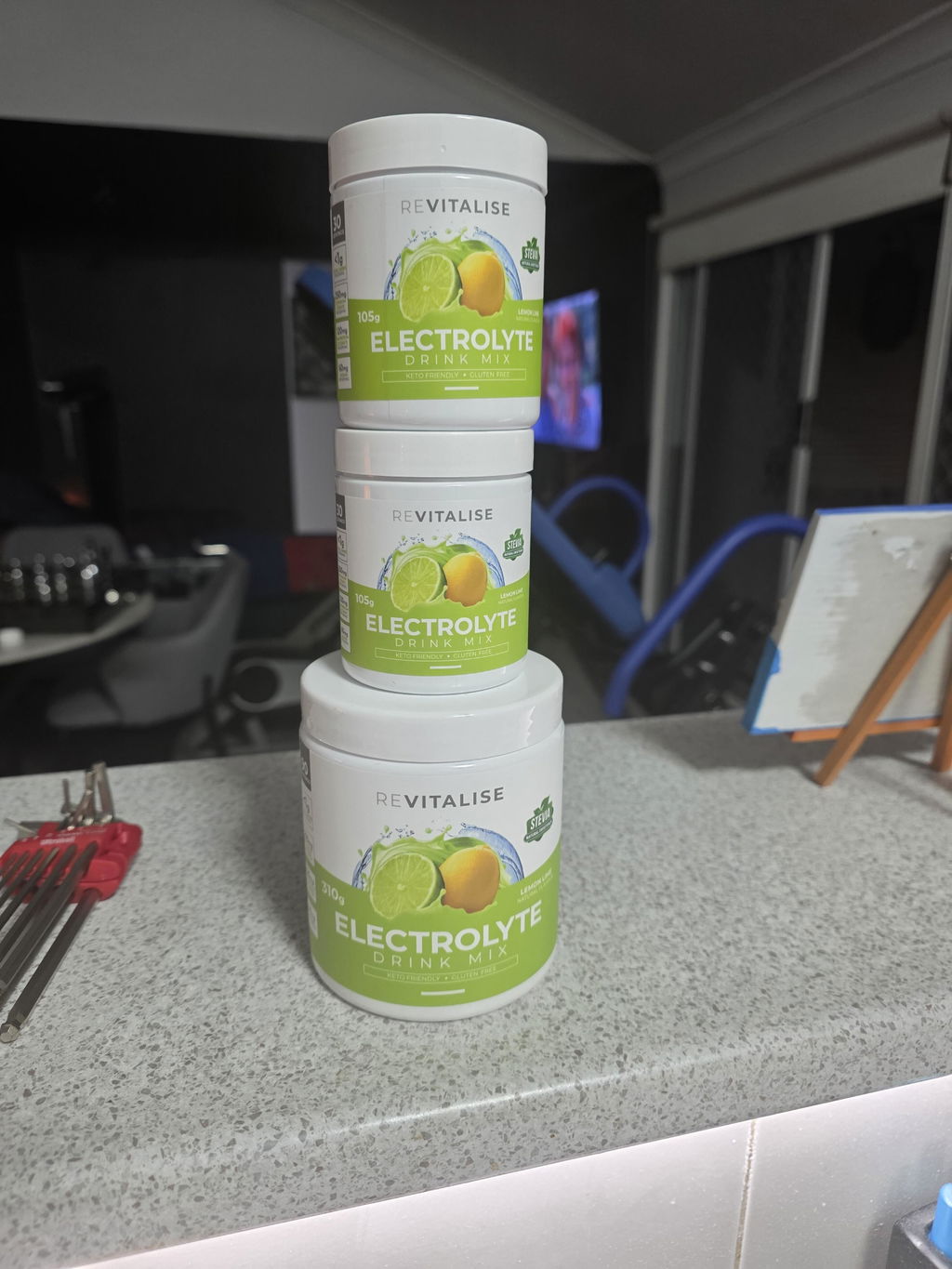
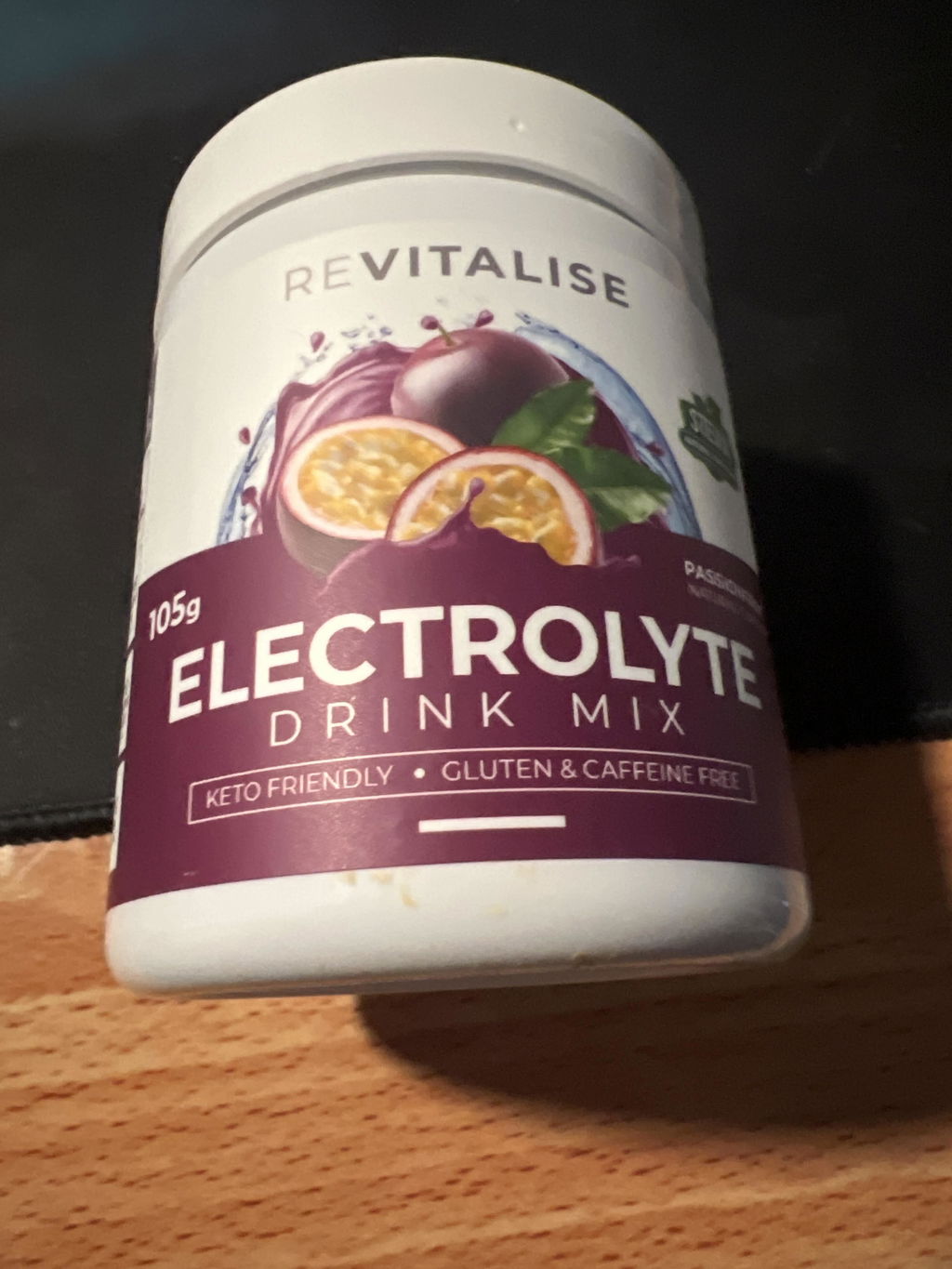
You might use electrolytes in the morning before training, after a sweaty workout, during a long shift, before work, after a walk, or in the afternoon when you usually feel flat. If you are often out of the house, sachets can make it easier to keep electrolytes in your bag, car, desk drawer or gym kit. If you prefer a routine at home, a tub may be more convenient.
The goal is not to force electrolytes into every part of the day. The goal is to find the moments where they make sense for you.
Real Routines Show How Flexible Electrolytes Can Be
The ReVitalise Daily community shows that electrolytes can fit into many different routines. Kim uses them around morning training and work. Louise relies on sodium-based electrolytes for CrossFit, running and recovery. Deano uses them to support running, weights, work, dog walks and daily energy. Sarah Jane includes them as part of a consistent strength and running routine. Ben uses high-sodium electrolytes because he is a heavy sweater who trains multiple times a day.
These stories show that electrolytes are not limited to one type of person or one type of workout. They can support athletes, runners, busy parents, coaches, shift workers, gym-goers and everyday Australians who want hydration to feel easier.
If you are wondering when to use electrolytes, start with the moments you already notice. The morning you feel dry. The workout that leaves you sweating. The workday that drains you. The walk that takes more out of you than expected. The hot afternoon when plain water does not feel enough.
Those are the moments electrolytes can fit into everyday life.