GLP-1 medications such as Ozempic®, Wegovy® and Mounjaro® have transformed weight management for many Australians. By reducing appetite and helping people eat less, they can produce significant and lasting results. However, one aspect of the journey often receives far less attention than it deserves. As your food intake decreases, so does your intake of essential minerals that help regulate hydration, muscle function and energy production. This reduction, combined with common digestive side effects, may contribute to symptoms such as headaches, muscle cramps, fatigue and brain fog.
Understanding how electrolytes fit into the picture can help you build simple habits that support hydration while you're eating less. Many people find that building electrolytes makes it easier to stay hydrated, even on busy days. This article provides general information only and should not replace advice from your GP or pharmacist.
Why Electrolytes Matter
Electrolytes are minerals that carry an electrical charge and help your body perform many of its most important functions. They regulate hydration, support healthy muscles and nerves, contribute to energy production and help maintain normal heart function. Although several electrolytes work together, the four that play the biggest role are sodium, potassium, magnesium and calcium.
Sodium helps your body retain and balance fluids, making it essential for hydration. Potassium works alongside sodium to support muscle contractions, nerve signalling and a healthy heartbeat. Magnesium contributes to hundreds of biochemical processes, including muscle relaxation, energy production and sleep quality, while calcium supports healthy bones as well as normal muscle and nerve function. When these minerals are available in the right amounts, you rarely think about them. When they begin to fall short, your body often lets you know through symptoms that can easily be mistaken for everyday tiredness.

Why GLP-1 Medications Can Create an Electrolyte Gap
GLP-1 medications do not directly remove electrolytes from your body. Instead, several common effects of the medication can gradually reduce your intake and increase your losses at the same time.
The biggest factor is eating less. Many of the electrolytes your body needs each day come from food, so smaller meals naturally provide fewer minerals. At the same time, many people notice they feel less thirsty while taking a GLP-1 medication, meaning they may also drink less water without realising it.
Digestive side effects can add another challenge. Nausea, vomiting and diarrhoea, particularly during the early stages of treatment or after a dose increase, can increase fluid and electrolyte losses. Emerging research has also suggested that GLP-1 medications may influence how the kidneys regulate sodium, making it even more important to maintain good hydration during hot weather, illness or periods of increased activity. If you're experiencing ongoing dehydration symptoms, recognising the warning signs early can help you respond before they become more significant.
Which Electrolytes Deserve the Most Attention?
While every electrolyte has an important role, sodium is often the first mineral people need to replace when eating significantly less. Sodium helps your body retain the water you drink, so simply increasing your water intake without replacing sodium may not provide the hydration support your body needs. This becomes even more important on hot days or during periods of nausea, when fluid losses are higher than usual.
Potassium and magnesium are also essential because they support healthy muscles, nerve communication and normal energy production. They are among the minerals most likely to decrease when meal sizes become much smaller. Calcium completes the picture by supporting healthy muscles, nerves and long-term bone health, making a balanced electrolyte intake more beneficial than focusing on a single mineral alone.
Hydration Is Only Part of the Picture
Hydration is an important part of supporting your body while taking a GLP-1 medication, but it is not the only consideration. Rapid weight loss can sometimes lead to the loss of lean muscle alongside body fat, particularly when calorie intake drops significantly. Maintaining adequate protein intake, including regular resistance exercise and considering daily creatine as part of your routine may help support muscle while you lose weight. Together, hydration and muscle support create a more balanced approach to long-term health.
Signs Your Electrolytes May Be Low
Low electrolyte levels do not always produce dramatic symptoms. In many cases, the signs develop gradually and can easily be overlooked. Recurring afternoon headaches, muscle cramps, fatigue, brain fog, dizziness when standing and urine that is consistently darker than normal may all indicate that your body is not replacing fluids and minerals as effectively as before. These symptoms can have many possible causes, so persistent or severe symptoms should always be discussed with your healthcare professional.

Choosing an Electrolyte Supplement
Not every electrolyte supplement is designed for everyday use, especially if you're eating less as part of a GLP-1 treatment plan. A sugar-free formula helps support hydration without adding unnecessary sugar or excess calories, while a balanced blend of sodium, potassium, magnesium and calcium provides broader support than products that rely mainly on sodium.
Some situations, including hot weather, illness or digestive upset, may increase your sodium requirements temporarily, making it helpful to have a higher-sodium option available. Choosing products made without unnecessary fillers or artificial colours can also make it easier to build a sustainable daily habit.
Building a Simple Daily Routine
Maintaining hydration doesn't have to be complicated. Drinking water consistently throughout the day, rather than waiting until you feel thirsty, can help support healthy fluid balance. Pairing this habit with a daily electrolyte supplement helps replace minerals that may no longer be coming from your meals, while adequate protein intake and regular movement help support your overall health.
Many Australians also find that building electrolytes into a consistent daily routine makes it easier to stay hydrated through work, exercise, travel and busy family life instead of only reaching for them after symptoms appear. Paying closer attention to hydration during periods of nausea, hot weather or increased physical activity can also help you stay on track.
Supporting Your Routine with ReVitalise Daily
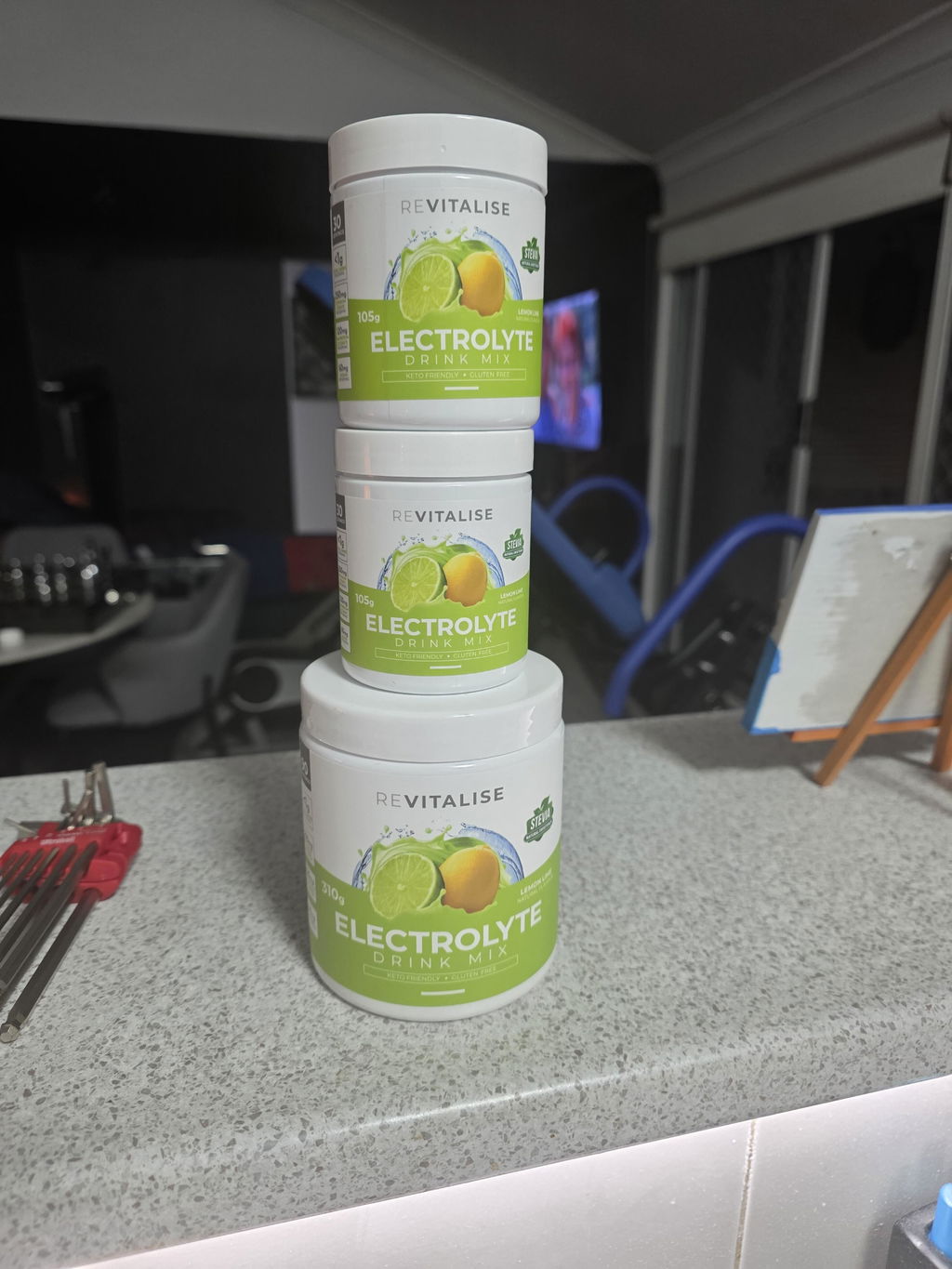
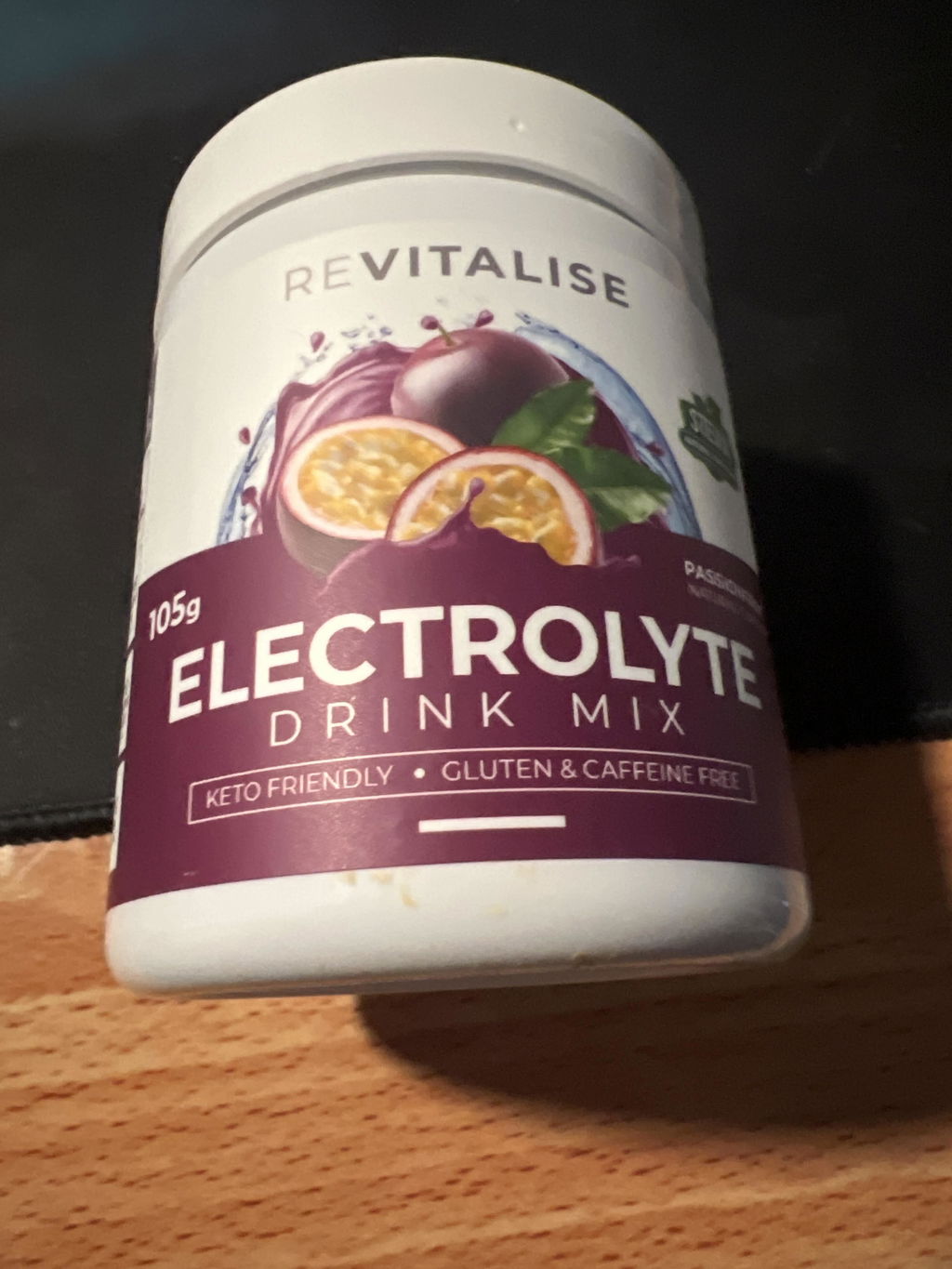
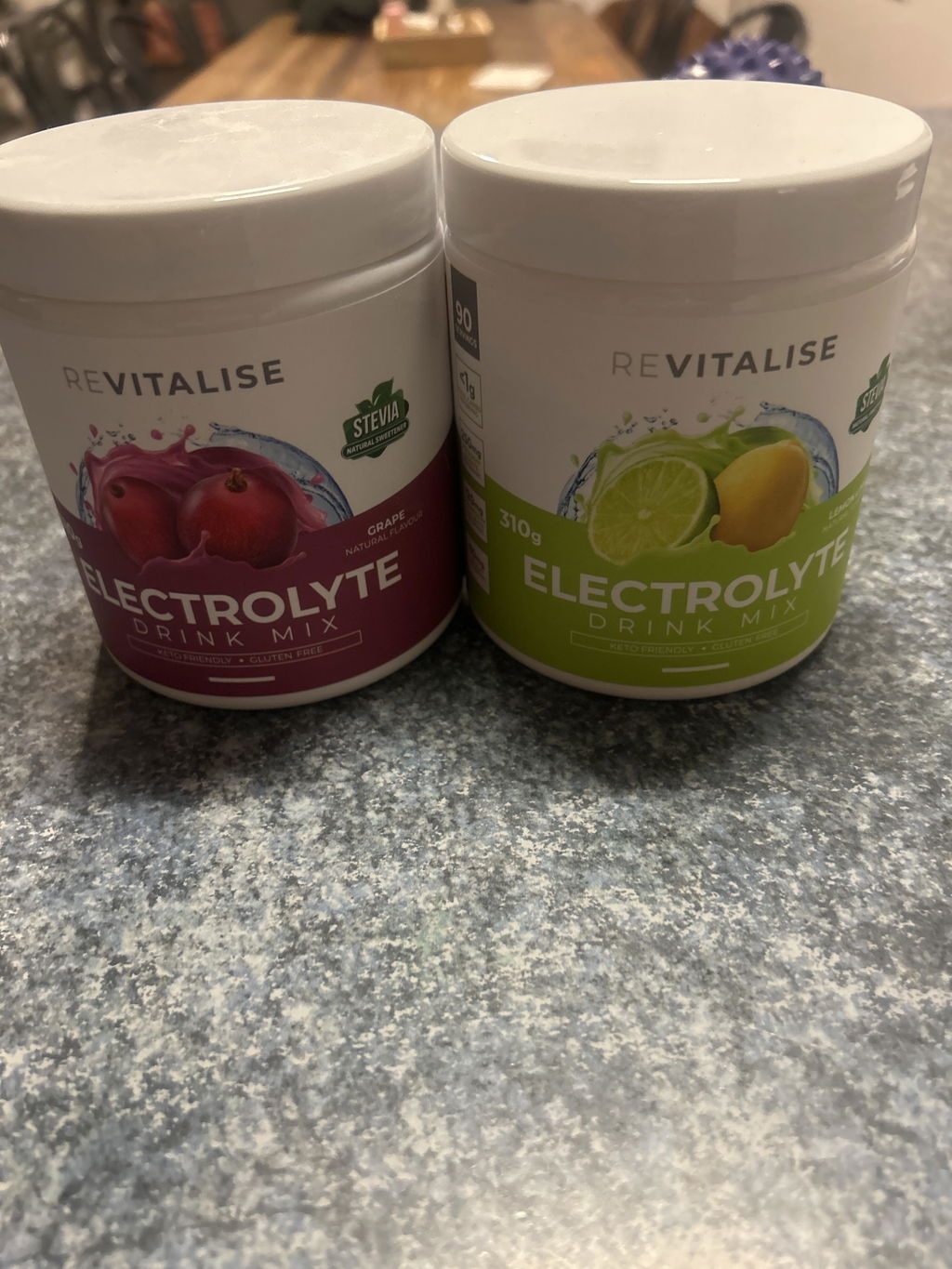
The ReVitalise Daily Reset was developed to help make everyday hydration simple. Balanced electrolytes provides sodium, potassium, magnesium and calcium in a sugar-free formula suitable for daily use. Sodium+ offers additional sodium support for days when your hydration needs are higher, while Creatine+ combines premium creatine with electrolytes to support both hydration and muscle performance.
Together, these products provide a practical way to support hydration, maintain your mineral intake and build a consistent routine while eating less.
Supporting Your Health While Eating Less
GLP-1 medications have helped many Australians achieve meaningful weight loss, but eating less also means paying greater attention to hydration and essential minerals. Drinking enough water, maintaining a balanced intake of electrolytes and supporting muscle health alongside your nutrition plan can help you feel your best throughout the journey. If you're considering adding an electrolyte supplement while taking Ozempic, Wegovy or Mounjaro, speak with your GP or pharmacist to determine what's appropriate for your individual health needs.
Common Questions About Electrolytes and GLP-1 Medications
Can I take electrolytes while taking Ozempic, Wegovy or Mounjaro?
Many people include electrolyte supplements as part of their daily routine while taking GLP-1 medications because eating less can reduce both fluid and mineral intake. If you have kidney disease, heart disease or have been advised to limit sodium, speak with your healthcare professional before introducing any new supplement.
Is drinking water enough while taking a GLP-1 medication?
Water remains essential, but hydration also depends on replacing important minerals such as sodium, potassium, magnesium and calcium. Many people find that building electrolytes into a consistent daily routine helps support hydration when food intake is reduced.
Which electrolyte is most important while taking a GLP-1 medication?
Sodium plays a central role because it helps your body retain fluid, but potassium, magnesium and calcium are equally important for healthy muscles, nerves and overall wellbeing. A balanced electrolyte formula provides more complete hydration support than replacing sodium alone.
This article is general information only and is not intended to diagnose, treat, cure or prevent any disease or medical condition. It should not replace professional medical advice. Always consult your healthcare professional before making changes to your diet, exercise routine or supplement program, particularly if you are taking prescription medications.