Many people make a conscious effort to drink more water throughout the day. They carry reusable bottles, refill them regularly and feel confident they are doing everything right. Yet despite these healthy habits, they may still feel thirsty, tired, mentally foggy or generally sluggish.
If this sounds familiar, it is natural to wonder why drinking water but still tired has become your daily experience. While water is essential for good health, hydration is about more than the amount of water you drink. Your body also relies on a balance of minerals called electrolytes to help move and retain fluid where it is needed most.
If you have ever wondered, "Why am I still thirsty after drinking water?" it may be worth looking beyond the volume of water you consume and considering the bigger picture of hydration.
Hydration Is More Than Just Water
Water is fundamental to almost every process in the body. It helps regulate temperature, supports digestion, transports nutrients and keeps joints lubricated. However, water does not work alone.
Electrolytes such as sodium, potassium, magnesium and calcium help regulate fluid balance inside and outside your cells. They also support muscle function, nerve signalling and many of the body's normal physiological processes. Without the right balance of these minerals, hydration may not feel as effective, even if you are drinking plenty of water.
This is one reason the conversation around electrolytes vs water has become more common. It is not about replacing water altogether. Instead, it is about recognising that both water and electrolytes have important roles, particularly during times when your body is losing more fluids than usual.

Why You May Still Feel Thirsty
Persistent thirst can have many possible causes, and ongoing or excessive thirst should always be discussed with your healthcare professional, especially if it is new, severe or accompanied by other symptoms. However, everyday lifestyle factors can also contribute to feeling thirsty despite drinking water.
Spending time outdoors in Australia's warmer climate, exercising regularly, working long shifts, travelling, or simply sweating more than usual can increase both water and electrolyte losses. When only water is replaced, some people may still feel like their hydration has not quite caught up with their body's needs.
Even air-conditioned offices, long flights and busy schedules can make it easier to become mildly dehydrated without realising it. When these everyday situations are combined with increased physical activity or warmer weather, your body's hydration needs may be greater than you expect, making it worthwhile to pay attention to both fluid and electrolyte intake.
Feeling Tired Even Though You're Drinking Water
Hydration affects more than thirst. Many people searching for answers about drinking water but still tired are actually describing a combination of symptoms rather than dehydration alone.
Feeling fatigued can result from poor sleep, stress, nutrition, illness, medications or many other health conditions. Hydration is only one piece of the puzzle, but it is an important one.
When your body loses both fluids and electrolytes through sweat or prolonged activity, replacing only water may not always leave you feeling refreshed. Maintaining electrolyte balance supports normal muscle and nerve function, which is why replenishing both fluids and electrolytes is often recommended after significant fluid losses. If tiredness is persistent or unexplained, it is important to speak with your healthcare provider rather than assuming hydration is the only cause.
Brain Fog Can Sometimes Have Multiple Contributors
Many people describe feeling mentally flat during the afternoon, struggling to concentrate or finding it harder to stay focused as the day progresses.
Brain fog is not a medical diagnosis and can be influenced by poor sleep, stress, nutrition, workload, illness or dehydration. Even mild dehydration has been associated with reduced alertness and concentration in some people.
If you regularly work in warm environments, exercise before work or spend long hours on the go, supporting your hydration consistently throughout the day may help you feel more refreshed.
Everyday Situations Where Water May Not Be Enough
Most healthy adults will meet their hydration needs through regular water intake and a balanced diet. However, there are times when electrolyte replacement becomes more relevant.
Long gym sessions, endurance exercise, physically demanding jobs, hot weather, travel and increased sweating can all increase the loss of sodium and other electrolytes. During these situations, replacing both water and electrolytes may better support normal hydration than water alone.
This does not mean everyone needs electrolyte supplements every day. Instead, it highlights that hydration needs can vary depending on what your body is experiencing.
Looking at Your Daily Routine
Sometimes the answer is not about drinking more water but looking at how and when you hydrate.
Waiting until you feel extremely thirsty may mean you are already catching up after losing fluids. Drinking large amounts all at once can also feel less effective than staying consistently hydrated throughout the day.
It is also worth considering how much fluid you lose through exercise, outdoor work or warmer weather. If you regularly sweat heavily, your body is losing minerals alongside water, which may explain why plain water alone does not always leave you feeling fully refreshed.
Looking at your daily routine rather than simply counting glasses of water often provides a clearer picture of your hydration habits.
Choosing a Balanced Approach
When comparing electrolytes vs water, it is helpful to think of them as partners rather than competitors. Water should remain the foundation of your hydration. Electrolytes simply provide additional support when your body has greater hydration demands or when you are replacing minerals lost through sweat and daily activity.
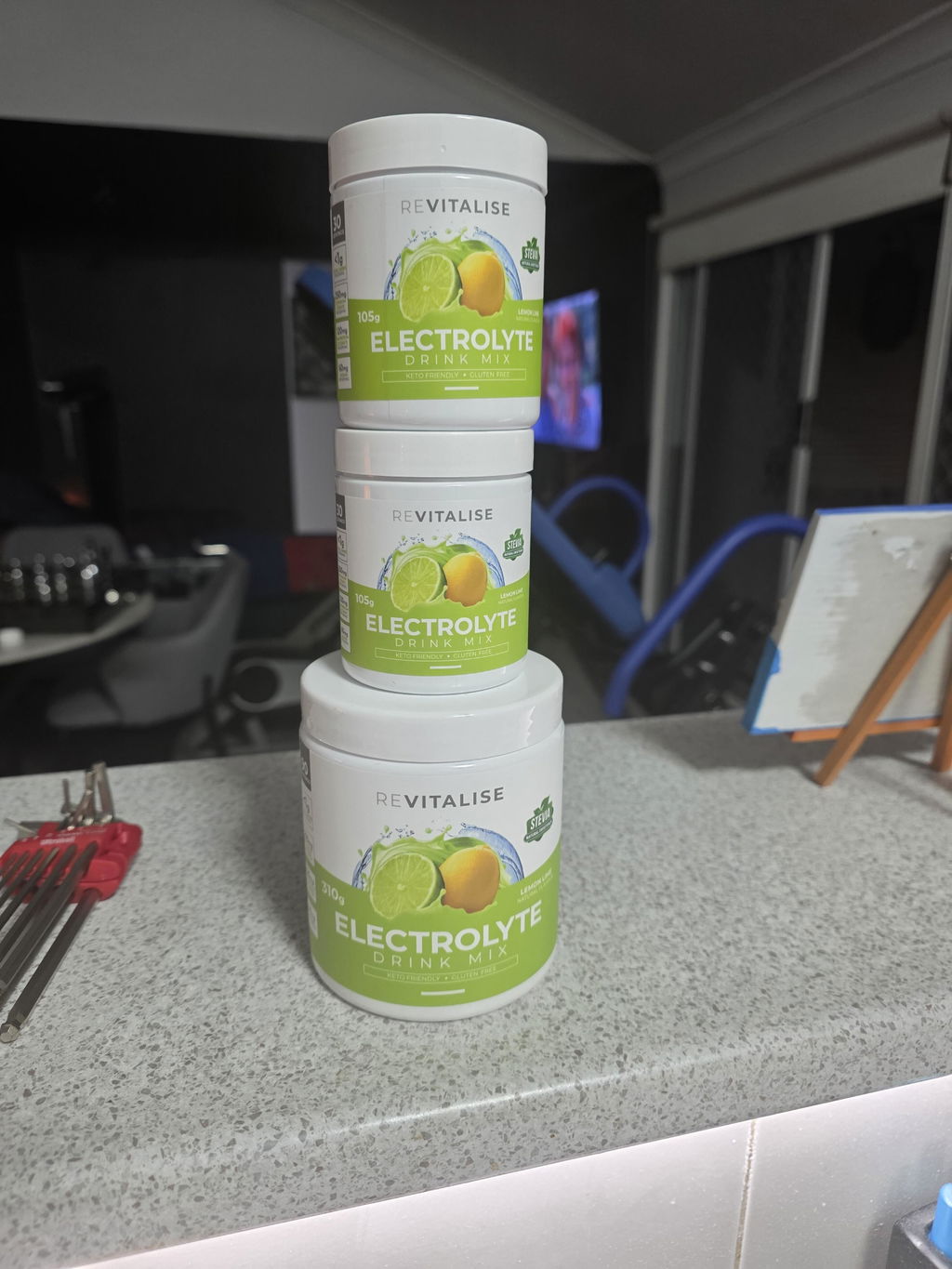
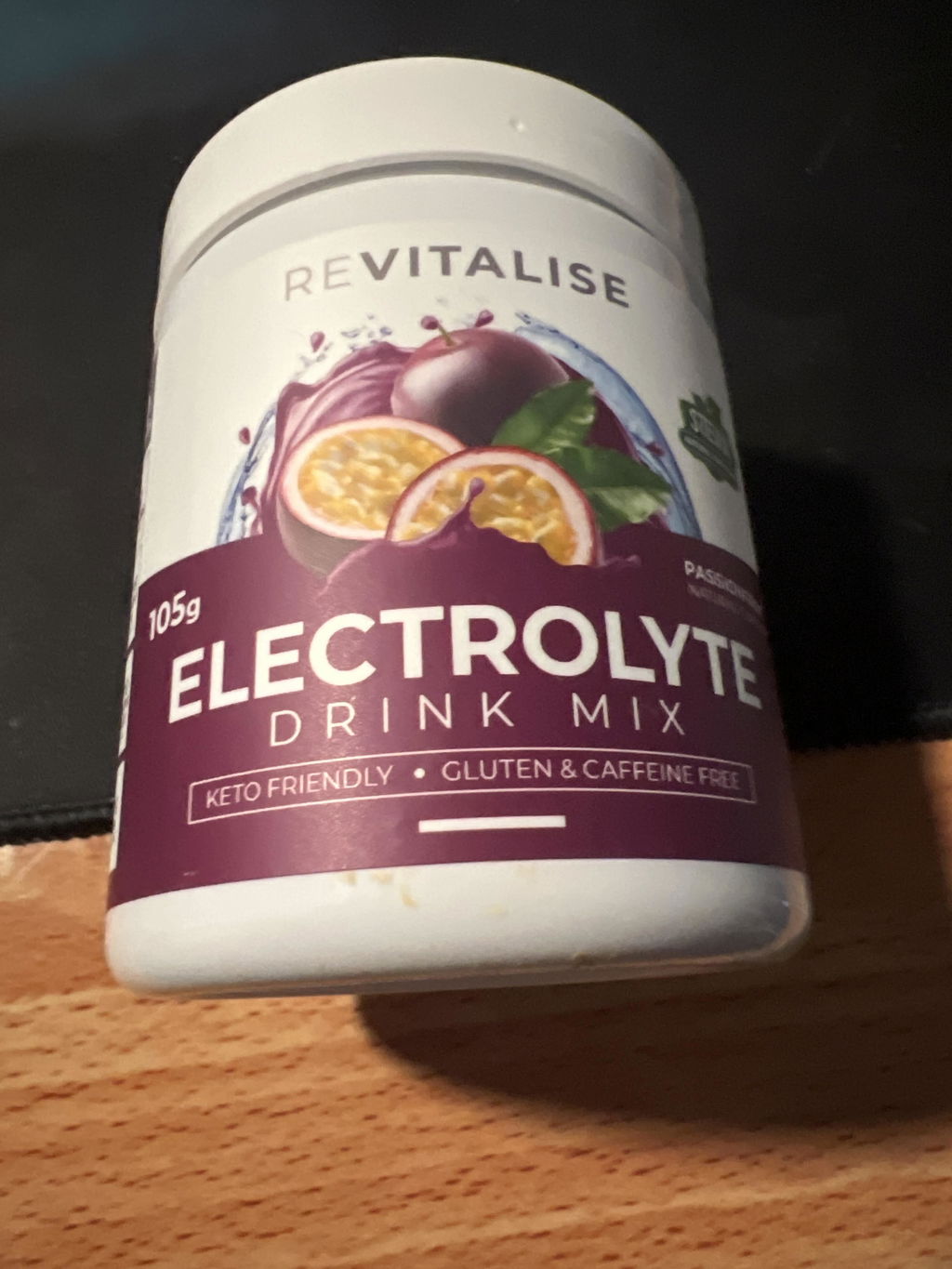
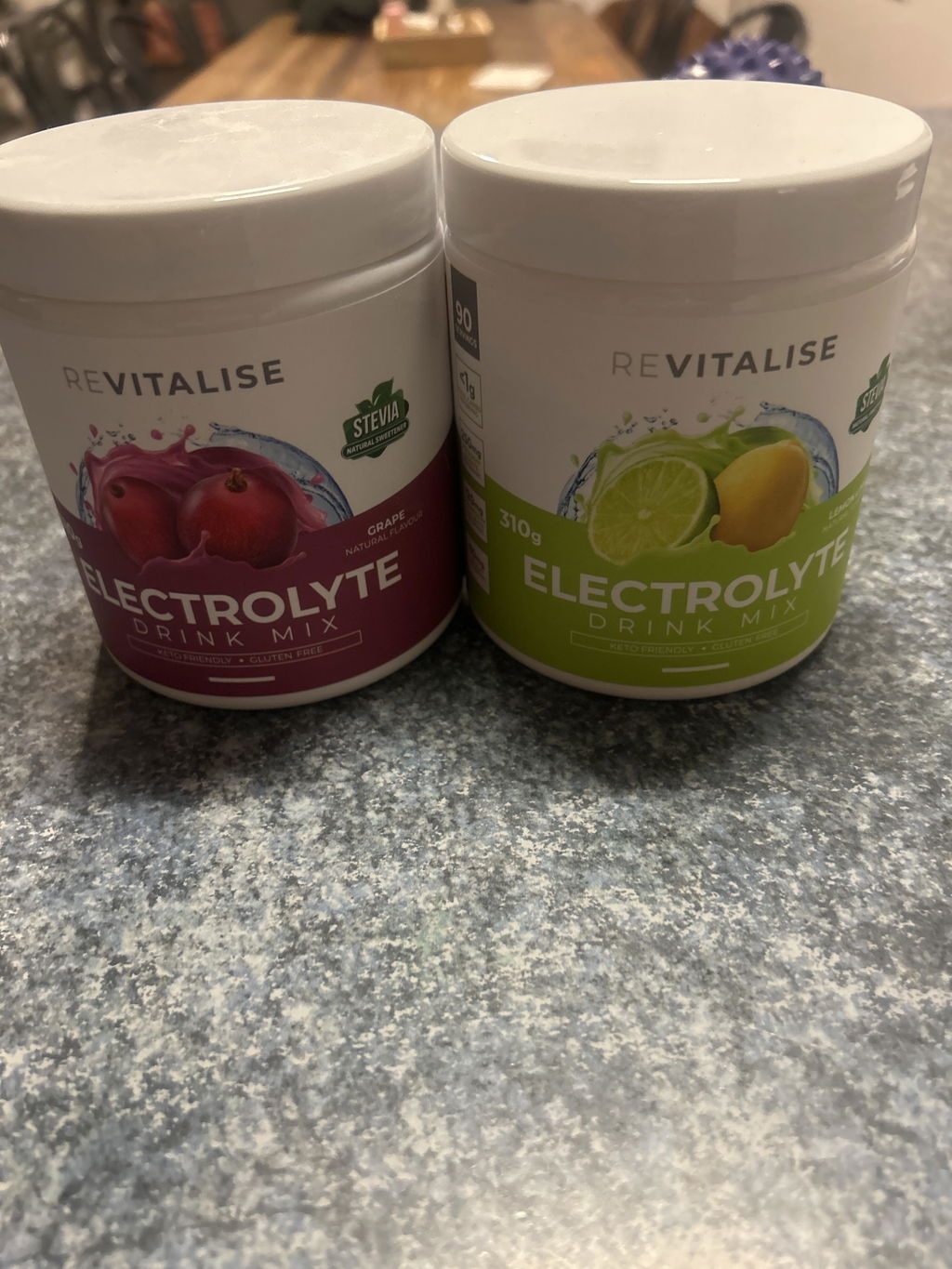
For everyday hydration support, ReVitalise Daily's Balanced Electrolytes are formulated with sodium, potassium, magnesium, calcium and glycine to support hydration without added sugar. The Australian-made formula is sugar free, gluten free, vegan and caffeine free, making it suitable for a wide range of lifestyles. It is designed to help replenish electrolytes lost through sweat and daily activity while fitting easily into everyday routines.
If your goal is simply to support consistent hydration throughout normal daily activities rather than replacing very high sodium losses, a balanced electrolyte formula may be an appropriate option.
For more information about when electrolyte support may be beneficial and when water alone is often enough, read our article, Do You Really Need Electrolytes Every Day? If you're looking for an everyday hydration option, the Balanced Zero Sugar Electrolytes collection on the ReVitalise Daily website includes a variety of flavours and serving sizes to suit different routines.