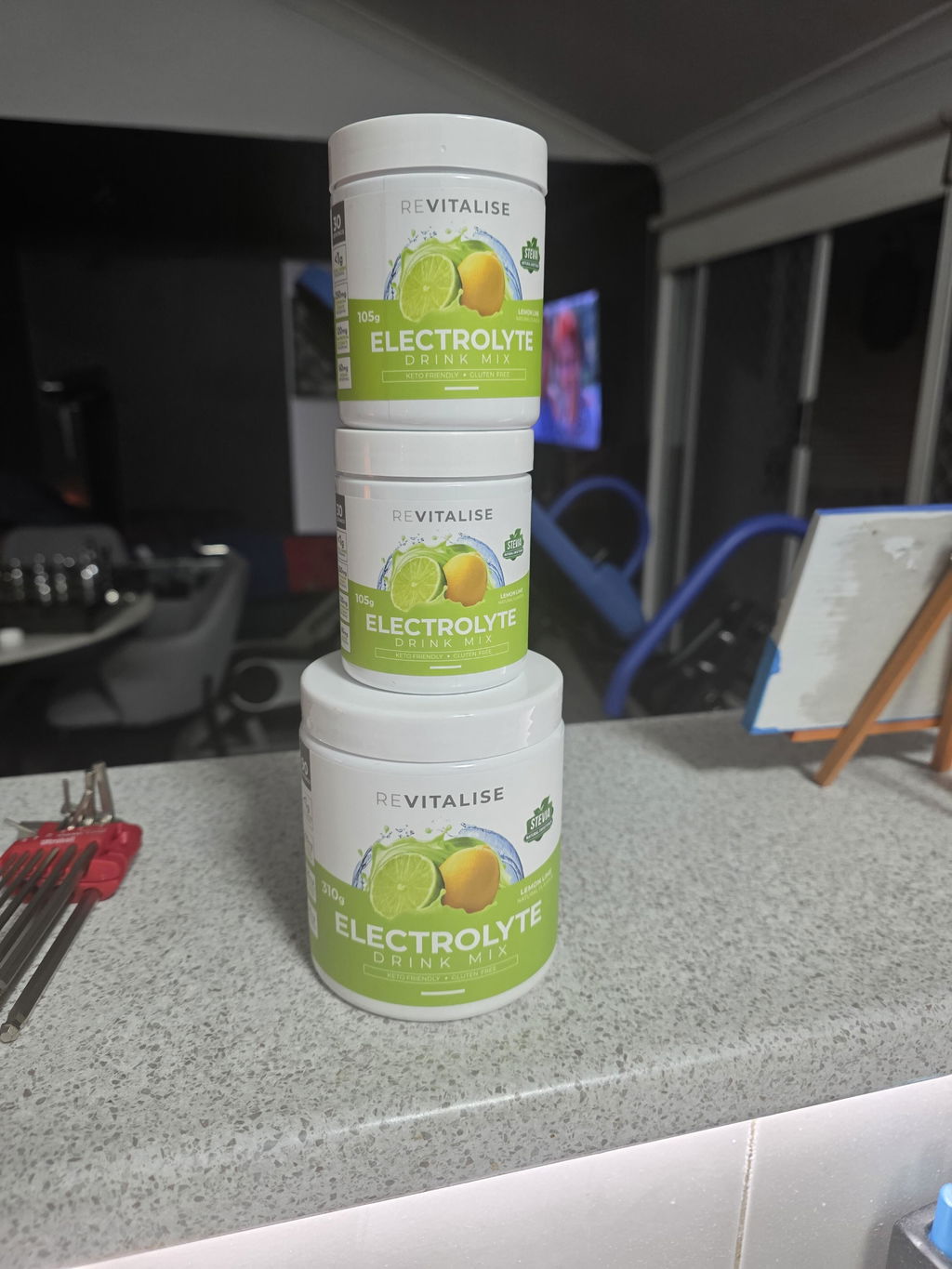
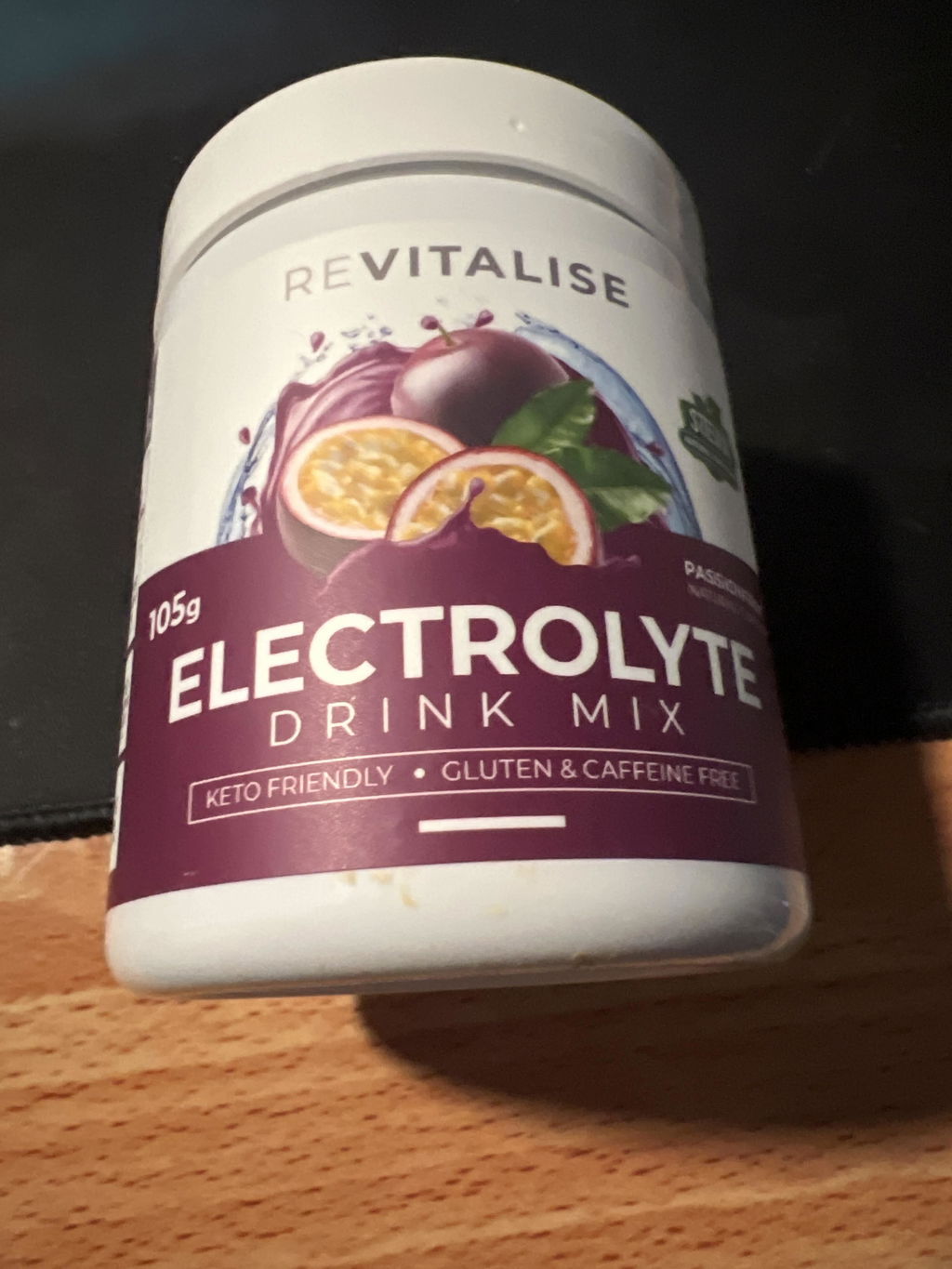
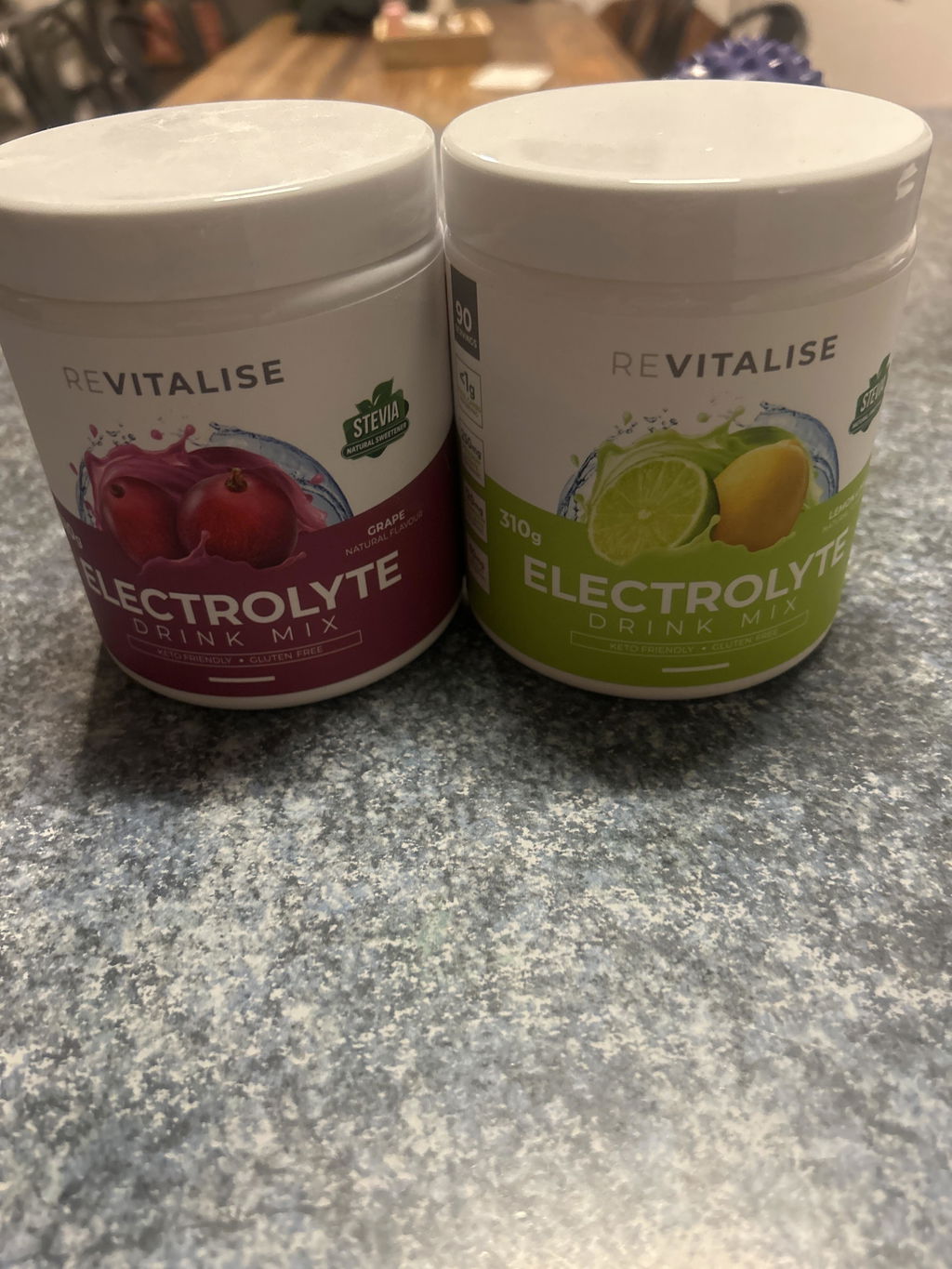
When choosing an electrolyte powder, most people look for familiar minerals such as sodium, potassium and magnesium. But if you take a closer look at the ingredient list, you may notice another ingredient: glycine.
So, what is glycine, and why would an amino acid be included in an electrolyte drink?
Glycine plays several important roles in the body, from supporting protein production to contributing to normal cellular processes. While it is not an electrolyte itself, it can be included alongside essential minerals as part of a broader supplement formula.
Understanding the role of glycine in electrolytes can help you look beyond the front of the label and make more informed decisions about the products you use.
What Is Glycine?
Glycine is an amino acid, one of the building blocks your body uses to make proteins.
It is classified as a non-essential amino acid, which means your body can produce it naturally. You can also obtain glycine through foods that contain protein, including meat, fish, dairy products and legumes.
Although glycine is relatively simple in structure, it participates in a wide range of biological processes.
It is involved in the production of collagen, contributes to the formation of important compounds such as creatine and glutathione, and also acts as a neurotransmitter in the nervous system.
Unlike sodium, potassium or magnesium, glycine does not function as an electrolyte. It does not replace these minerals or perform the same role in maintaining fluid and electrical balance.
Instead, it is a separate ingredient with its own functions, which is why understanding its place in a supplement formula matters.
Why Is Glycine Used in Supplements?
Glycine appears in a variety of nutritional supplements because of its involvement in normal body processes.
Rather than serving one single purpose, this amino acid contributes to several functions that are relevant to general nutrition and wellbeing.
Protein and Collagen Production
Glycine is an important component of collagen, a structural protein found in skin, tendons, ligaments and other connective tissues.
Your body uses glycine alongside other amino acids when producing and maintaining proteins.
This is one reason glycine is frequently discussed in the context of nutrition, connective tissue and healthy ageing.
Creatine and Other Essential Compounds
Glycine is also involved in the body's natural production of creatine, alongside other amino acids.
Creatine plays a role in the body's energy system, particularly during short periods of high intensity activity.
Glycine also contributes to the production of glutathione, a compound involved in the body's antioxidant defence systems.
These functions demonstrate why glycine is relevant to human nutrition, although they do not mean that every supplement containing glycine will produce measurable improvements in performance or recovery.
Nervous System Function
Glycine also functions as a neurotransmitter, helping nerve cells communicate in parts of the central nervous system.
Researchers have investigated supplemental glycine in areas such as sleep and metabolic health, but findings depend on the dose, population and outcome being studied.
It is important not to confuse these research areas with the proven effects of a particular electrolyte drink.
The presence of glycine in a formula does not automatically establish benefits for sleep, stress or other health conditions.
Why ReVitalise Daily Includes Glycine
When evaluating an electrolyte powder, it is worth looking at the full ingredient list rather than focusing on one headline mineral.
ReVitalise Daily includes glycine in its electrolyte formulations alongside minerals such as sodium, potassium, magnesium and calcium, depending on the product.
Glycine is not included as a replacement for these electrolytes. Instead, it forms part of a wider ingredient profile that combines amino acids with minerals involved in normal hydration and physiological function.
For example, ReVitalise Sodium+ Zero Sugar Electrolytes contains 1.1 g of glycine per serving, alongside its higher sodium formulation.
That makes glycine a clearly identified ingredient rather than something hidden behind a general description of a proprietary blend.
Transparency matters because it allows you to compare products based on their actual ingredients and quantities.

Understanding the full ingredient list is just as important as recognising individual ingredients. Our guide to what makes an electrolyte powder worth buying explains how to compare mineral content, ingredient quality and serving information before choosing a formula.
However, it is equally important to understand what those ingredients do. While glycine has established biological functions, evidence that adding it to a specific electrolyte formula improves hydration beyond the contribution of its electrolytes should not be assumed.
A considered formula is one where ingredients have a clear purpose, amounts are communicated and product claims remain realistic.
How Glycine Fits Alongside Sodium, Potassium, Magnesium and Calcium
To understand glycine in electrolytes, it helps to look at the different roles of the ingredients commonly found in hydration products.
Although these ingredients can appear together, they do not all perform the same function.
Sodium and Fluid Balance
Sodium is a key electrolyte involved in regulating fluid balance and supporting nerve and muscle function.
It is also an important mineral lost through sweat, which makes sodium replacement particularly relevant during prolonged exercise or heavy sweating.
Potassium and Normal Muscle Function
Potassium helps maintain fluid balance within cells and contributes to normal nerve signalling and muscle contractions.
It works alongside sodium in several processes that help maintain normal cellular function.
Magnesium and Energy Metabolism
Magnesium contributes to normal muscle and nerve function and participates in many reactions involved in energy metabolism.
It is an essential dietary mineral, although taking additional magnesium does not necessarily improve hydration or prevent exercise-related cramps in everyone.
Calcium and Nerve Signalling
Calcium is best known for its role in bone health, but it is also involved in muscle contractions and nerve signalling.
Like the other electrolytes, it contributes to normal physiological function.
Glycine as a Supporting Amino Acid
Glycine is different from these minerals. It is an amino acid involved in protein synthesis and other biological processes rather than an electrolyte responsible for maintaining electrical and fluid balance.
Including glycine alongside electrolytes does not turn it into another electrolyte. Instead, it broadens the ingredient profile of the formula.
For a closer look at the essential minerals themselves, explore our article on what electrolytes are made of and why they matter.
This distinction is useful when comparing a basic mineral drink with an electrolyte powder with glycine.
The best choice depends on the complete formulation, your hydration requirements and whether the additional ingredients are relevant to your needs.
Which ReVitalise Daily Products Contain Glycine?
Glycine is included in several products across the ReVitalise Daily hydration range, giving customers different options depending on their routines and requirements.
Balanced Electrolytes
ReVitalise Balanced Electrolytes combines essential electrolyte minerals with glycine as part of a sugar free formula designed for everyday hydration.
It is a practical option for people looking to establish a consistent hydration routine during work, travel, light activity or normal daily life.
For many people, everyday hydration needs can be met through regular fluid intake and a balanced diet, so electrolyte supplements should be selected according to individual circumstances.

Sodium+ Electrolytes
Sodium+ is ReVitalise Daily's higher sodium option, formulated for situations where greater sodium replacement may be relevant.
With 1,000 mg of sodium and 1.1 g of glycine per serving, it brings together a higher sodium content and a broader ingredient profile.
This may be relevant for people undertaking prolonged exercise, working in hot environments or experiencing substantial sweat losses.
Higher sodium intake is not necessary for everyone, so the formula should be considered in the context of individual needs and overall dietary sodium intake.
Creatine+ Electrolytes
ReVitalise Creatine+ Electrolytes combines creatine monohydrate with electrolyte ingredients and glycine.
This formula brings together ingredients associated with different functions, including creatine's role in supporting performance during repeated high intensity exercise and the normal functions of essential electrolyte minerals.
Glycine is part of the ingredient list, but it should not be confused with creatine or treated as a substitute for it.
Each formula serves a different purpose, making it worth comparing the full nutritional information before choosing.
What Should You Look for in an Electrolyte Powder With Glycine?
If you are researching a glycine supplement in Australia or comparing hydration products that contain this amino acid, the ingredient list is a useful place to start.
Not every product containing glycine has the same formulation, and its presence alone does not determine overall quality.
Consider the following factors when comparing options:
- Ingredient transparency: Check whether the product clearly identifies glycine and the other ingredients included.
- Electrolyte amounts: Look at the sodium, potassium, magnesium and calcium content rather than assuming every electrolyte product is equivalent.
- Intended use: Consider whether you need everyday electrolyte support, a higher sodium formula or a product designed around exercise and performance.
- Serving information: Check how much of each ingredient is provided per serving and follow the recommended preparation instructions.
- Individual requirements: Consider your diet, activity level and any medical advice that may affect your choice.
A longer ingredient list is not automatically better. What matters is whether the ingredients, amounts and intended use make sense together.
For hydration products in particular, the electrolyte content remains central to understanding what the formula provides.
Discover a More Considered Approach to Hydration
Glycine may not be the first ingredient you think of when choosing an electrolyte powder, but understanding its role can help you make sense of a more detailed supplement formula.
As an amino acid, glycine contributes to important biological processes. As an ingredient in an electrolyte product, it sits alongside essential minerals rather than replacing their role in fluid balance, muscle function and nerve signalling.
ReVitalise Daily offers different formulations to suit different hydration routines, from balanced everyday electrolytes to higher sodium options and products that combine electrolytes with creatine.
For convenient hydration away from home, the Sachets & Pouches range also provides portable and refill options across the product range.
Whether you are reviewing ingredients for the first time or comparing formulas for your daily routine, you can explore all ReVitalise Daily products and choose an option that suits your needs.