When it comes to hydration, sodium and electrolytes are often mentioned together. But are they actually the same thing?
The short answer is that sodium is an electrolyte, but not all electrolytes are sodium. Your body relies on several essential minerals to maintain fluid balance, support muscle function and keep your nerves working properly.
Understanding the difference between sodium and electrolytes can help you make more informed decisions about hydration, especially when exercising, sweating heavily or spending time in Australia's warmer conditions.
In this guide, we explain what electrolytes are, why sodium plays such an important role and when a higher sodium electrolyte formula may be worth considering.
What Are Electrolytes?
Electrolytes are minerals that carry an electrical charge when dissolved in body fluids. They help regulate several essential functions, including hydration, muscle contractions, nerve signalling and fluid balance.
The main electrolytes in your body include:
- Sodium: Helps regulate fluid balance and supports nerve and muscle function.
- Potassium: Supports normal muscle contractions, nerve signalling and fluid balance within cells.
- Magnesium: Contributes to normal muscle and nerve function and supports energy metabolism.
- Calcium: Plays a role in muscle contractions, nerve signalling and bone health.
- Chloride: Works alongside sodium to help maintain fluid balance.
- Phosphate: Supports energy production and important cellular processes.
These minerals work together to help your body function normally. Although water is essential for hydration, electrolytes also play a role in maintaining the balance of fluids inside and outside your cells.
You obtain electrolytes through everyday foods and drinks. However, your requirements can change depending on physical activity, environmental conditions and how much you sweat.
Is Sodium an Electrolyte?
Yes. Sodium is one of the body's most important electrolytes and plays a particularly significant role in hydration.
While the term electrolytes refers to a group of minerals, sodium is one specific mineral within that group.
This is the key distinction in the sodium vs electrolytes discussion. Sodium is not an alternative to electrolytes. It is one of the electrolytes your body needs.
Sodium is primarily found in the fluid outside your cells, where it helps regulate fluid balance. It also supports the electrical signals that allow your nerves and muscles to function.
When you sweat, your body loses both water and electrolytes, particularly sodium and chloride. The amount lost varies between individuals and depends on factors such as exercise intensity, temperature, duration and individual sweat composition.
Why Sodium Matters for Hydration
Sodium plays an important role in helping your body maintain the right balance of fluids.
When sodium levels and fluid intake are appropriately balanced, your body can regulate the movement of water between different compartments and maintain normal physiological function.
During exercise or prolonged exposure to heat, sweating helps cool your body. However, sweat also contains sodium, meaning extended periods of heavy sweating can increase your sodium losses.
Replacing fluids is important, but when sweat losses are substantial, sodium replacement may also become relevant.
This does not mean everyone needs a high sodium electrolyte drink every day. For most people undertaking normal daily activities, a balanced diet and regular fluid intake are generally sufficient.
The important consideration is matching your hydration approach to your individual needs rather than assuming that more sodium is always better.
When Higher Sodium Support May Be Useful
Not every situation requires the same electrolyte intake. Some activities and environments can increase sweat losses, making sodium replacement more important.
Prolonged Exercise and Endurance Activities
Long training sessions, endurance events and extended periods of physical activity can lead to significant fluid and sodium losses through sweat.
For people exercising over longer durations, particularly in warm conditions, a higher sodium electrolyte formula may help replace some of the sodium lost during activity.
Individual requirements depend on sweat rate, exercise duration and other factors. Hydration should be guided by personal needs rather than a fixed amount for everyone.
Physically Demanding Work in Hot Conditions
People working outdoors or in hot environments may experience considerable sweat losses throughout the day.
Construction workers, agricultural workers and others undertaking physically demanding work in Australia's heat may benefit from paying closer attention to both fluid intake and electrolyte replacement.
Regular breaks, access to fluids and appropriate heat management remain essential.
People Who Experience Heavy or Salty Sweating
Some people naturally sweat more than others or lose a greater concentration of sodium through their sweat.
Visible salt marks on clothing after exercise can be one indication of salty sweating, although they are not a reliable way to measure exactly how much sodium has been lost.
If you regularly experience substantial sweat losses, it may be useful to consider how your hydration routine supports both fluid and electrolyte replacement.
For a closer look at these situations, read our guide on why some people need more sodium than standard electrolytes provide.

Sodium vs Electrolytes: How Do Different Formulas Compare?
When comparing electrolyte products, the most important difference is often not whether they contain sodium, but how much sodium they provide and what the formula is designed to support.
Everyday electrolyte formulas and higher sodium formulas can both contribute to hydration, but they may suit different circumstances.
Balanced Electrolytes for Everyday Hydration
For general hydration, light activity and everyday routines, a balanced electrolyte formula can be a practical option.
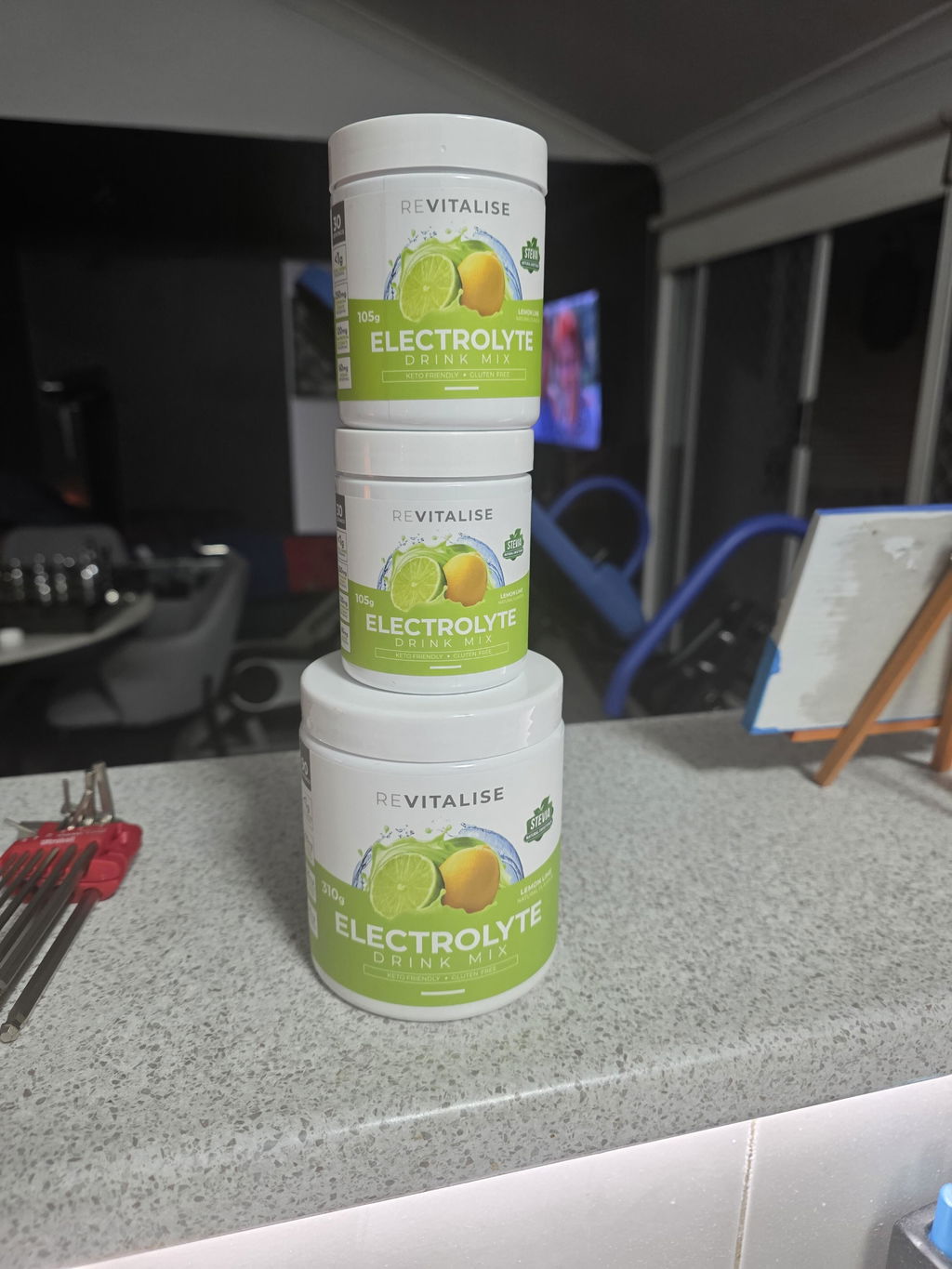
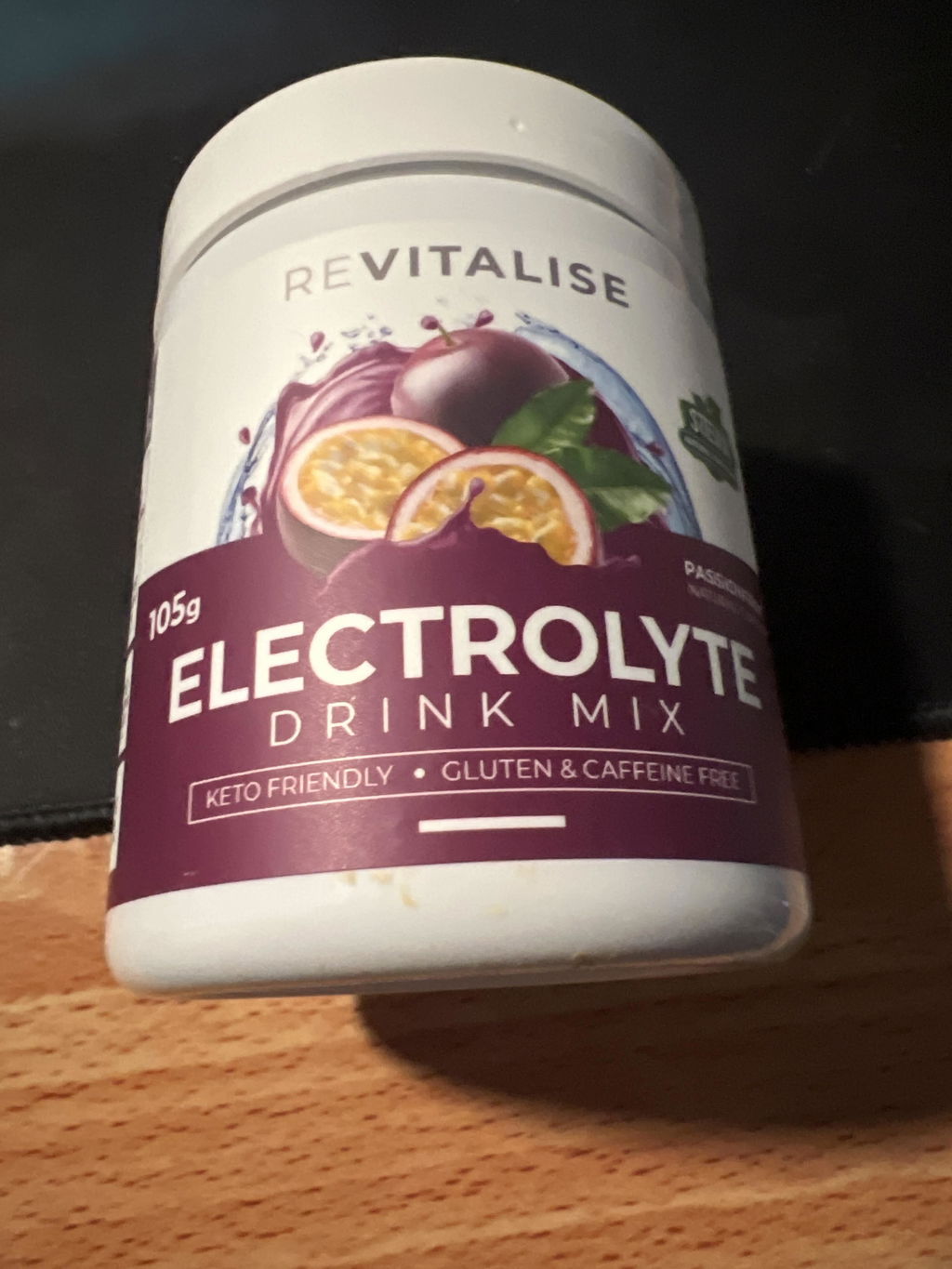
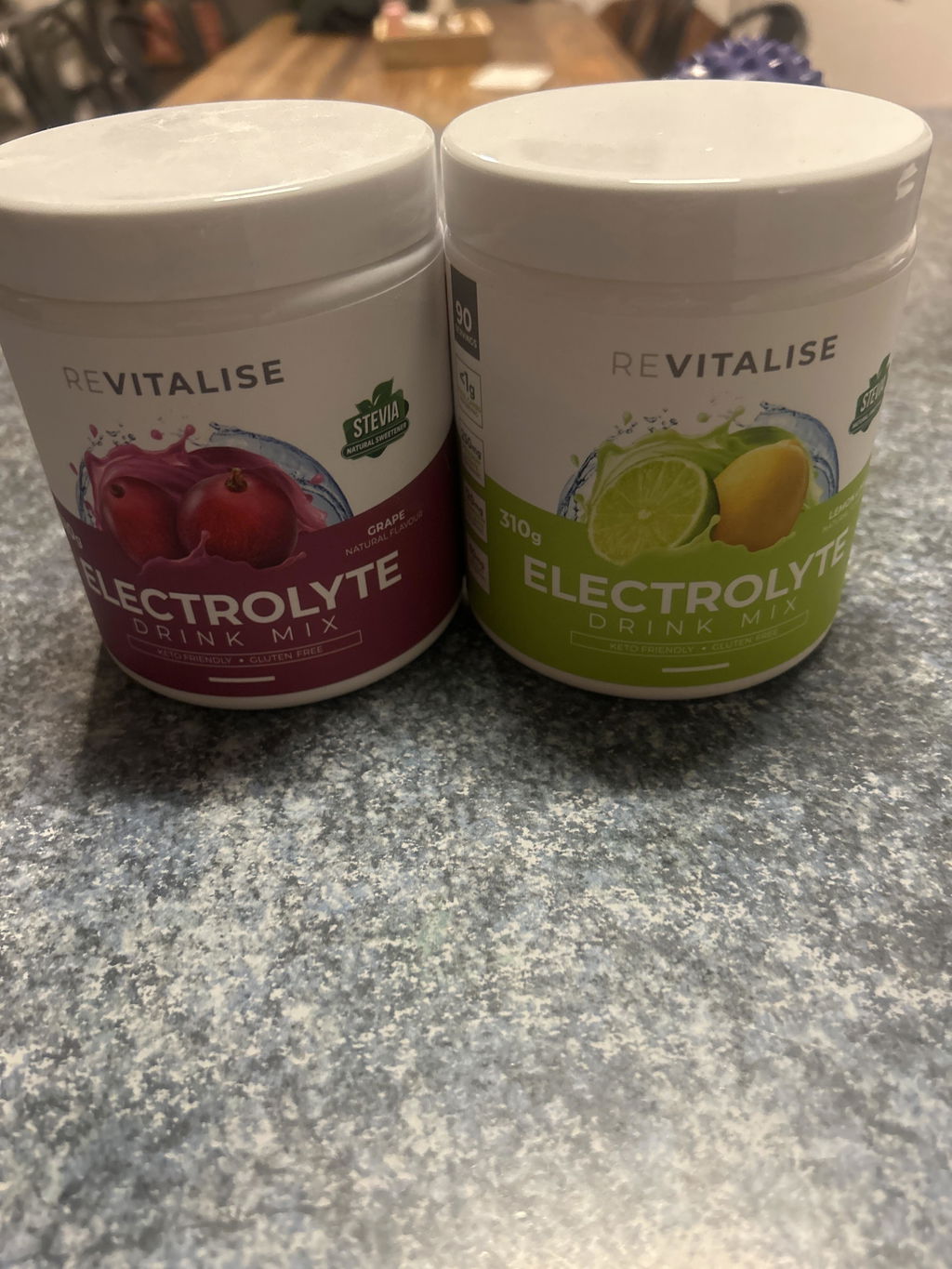
ReVitalise Electrolyte Drink Mix provides a blend of essential electrolytes designed to support everyday hydration.
This type of formula may suit people looking to maintain a consistent hydration routine during work, travel, light exercise or regular daily activities.
The goal is not necessarily to maximise sodium intake, but to choose an electrolyte blend that fits your routine.
Sodium+ for Higher Sodium Requirements
For people who experience greater sodium losses, a higher sodium formula may be more appropriate.
ReVitalise Sodium+ Zero Sugar Electrolytes is formulated to provide 1,000 mg of sodium per serving, alongside other ingredients that support normal body functions.
Each serving contains:
- 1,000 mg sodium to contribute to sodium replacement.
- 250 mg potassium to support normal muscle function and fluid balance.
- 120 mg magnesium to support normal muscle and nerve function.
- 1.1 g glycine, an amino acid included in the formula.
The formula is also sugar free and caffeine free.
Sodium+ is designed for situations where higher sodium intake may be useful, including prolonged exercise, heavy sweating and physically demanding activity in warm conditions.
However, higher sodium content does not automatically make a product better for everyone. The most suitable formula depends on your activity, sweat losses, diet and individual requirements.
Choosing the Right Electrolyte Formula for Your Needs
If you are comparing sodium vs electrolytes, start by thinking about why you want to use an electrolyte product.
For everyday hydration, a balanced formula may provide the support you are looking for without unnecessarily increasing your sodium intake.
If you regularly undertake endurance exercise, work in hot conditions or experience substantial sweat losses, a higher sodium formula may be worth considering.
Convenience can also make a difference. For people who travel, train away from home or need a portable hydration option, Sodium+ Electrolytes Sachets provide the same higher sodium approach in an individually portioned format.
When choosing an electrolyte product, consider:
- Sodium content: Does the amount suit your likely sweat losses and hydration requirements?
- Other electrolytes: Does the formula include minerals such as potassium and magnesium?
- Activity level: Are you supporting everyday hydration or replacing losses from prolonged physical activity?
- Convenience: Would a tub, refill pouch or individual sachet work best for your routine?
- Individual needs: Do you have dietary requirements or medical considerations that affect your sodium intake?
If you are unsure what to look for, our guide to what makes an electrolyte powder worth buying explains the key factors to consider when comparing different options.
When searching for the best electrolyte powder Australia has to offer, focus on the ingredients, electrolyte amounts and suitability for your needs rather than marketing claims alone.
Can You Have Too Much Sodium?
Although sodium is essential, consuming more than your body needs is not necessarily beneficial.
Most Australians obtain sodium through their normal diet, and excessive sodium intake over time can contribute to elevated blood pressure and other health concerns.
This is why high sodium electrolyte formulas should be considered in the context of your overall sodium intake and actual fluid losses.
People with high blood pressure, kidney conditions or medical advice to restrict sodium should consult a qualified healthcare professional before using high sodium electrolyte products.
The aim is to replace what your body needs, not to consume the highest possible amount.
Sodium vs Electrolytes: Understanding What Your Body Needs
The difference between sodium and electrolytes is straightforward. Sodium is one essential electrolyte, while electrolytes are a broader group of minerals that support hydration, muscle function, nerve signalling and fluid balance.
For everyday routines, balanced electrolyte support may be sufficient. During prolonged exercise, heavy sweating or demanding activity in hot conditions, replacing additional sodium may become more important.
Rather than choosing an electrolyte powder based on sodium content alone, consider your lifestyle, activity level and individual hydration requirements.
Whether you need a balanced daily formula, higher sodium support or convenient sachets for busy days, you can explore the full ReVitalise range and find a hydration option that fits your routine.
Note: This article provides general information only and is not a substitute for personalised medical advice. Hydration and sodium requirements vary between individuals.