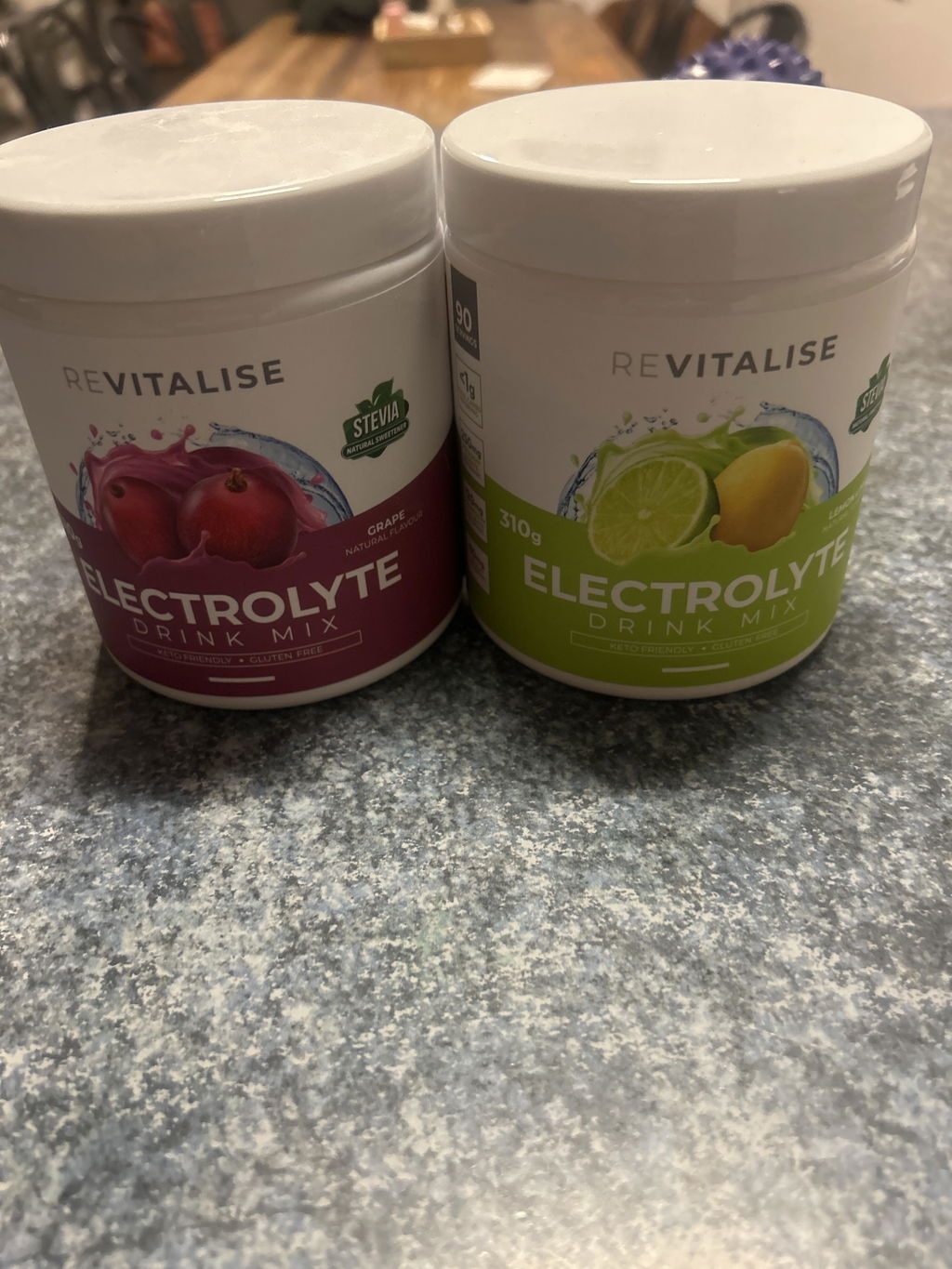
When you feel tired, flat or still thirsty after drinking water, it can be confusing. These are often subtle signs you need more electrolytes, even if you are already drinking enough fluids.
The reason is simple. Hydration is not only about how much water you drink. It is also about how well your body can retain and use that fluid.
This is where electrolytes, especially sodium, play an important role. Understanding the signs your body may need more electrolytes can help you support your energy and daily wellbeing more effectively.
Why Water Is Not Always the Full Answer
Water is essential, but it does not work alone. Your body relies on electrolytes to absorb, distribute and retain fluids properly.
Without enough electrolytes, especially sodium, the water you drink may pass through your system quickly without fully supporting hydration.
This can leave you feeling like you need to drink more and more, without ever quite feeling refreshed. This is one of the most common signs you need more electrolytes rather than just more water.
Adding electrolyte drinks can help support how your body uses water, rather than simply increasing intake.
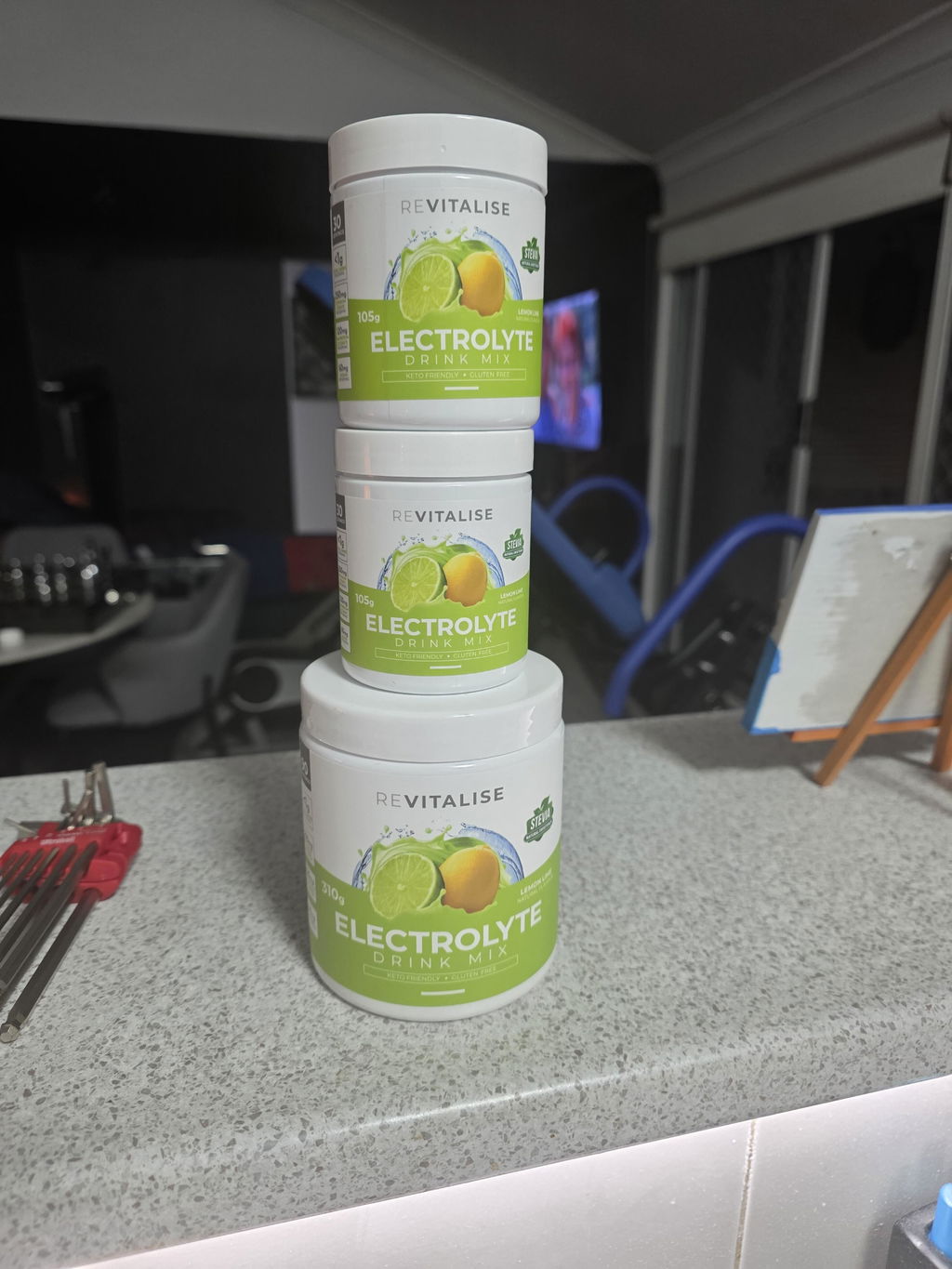
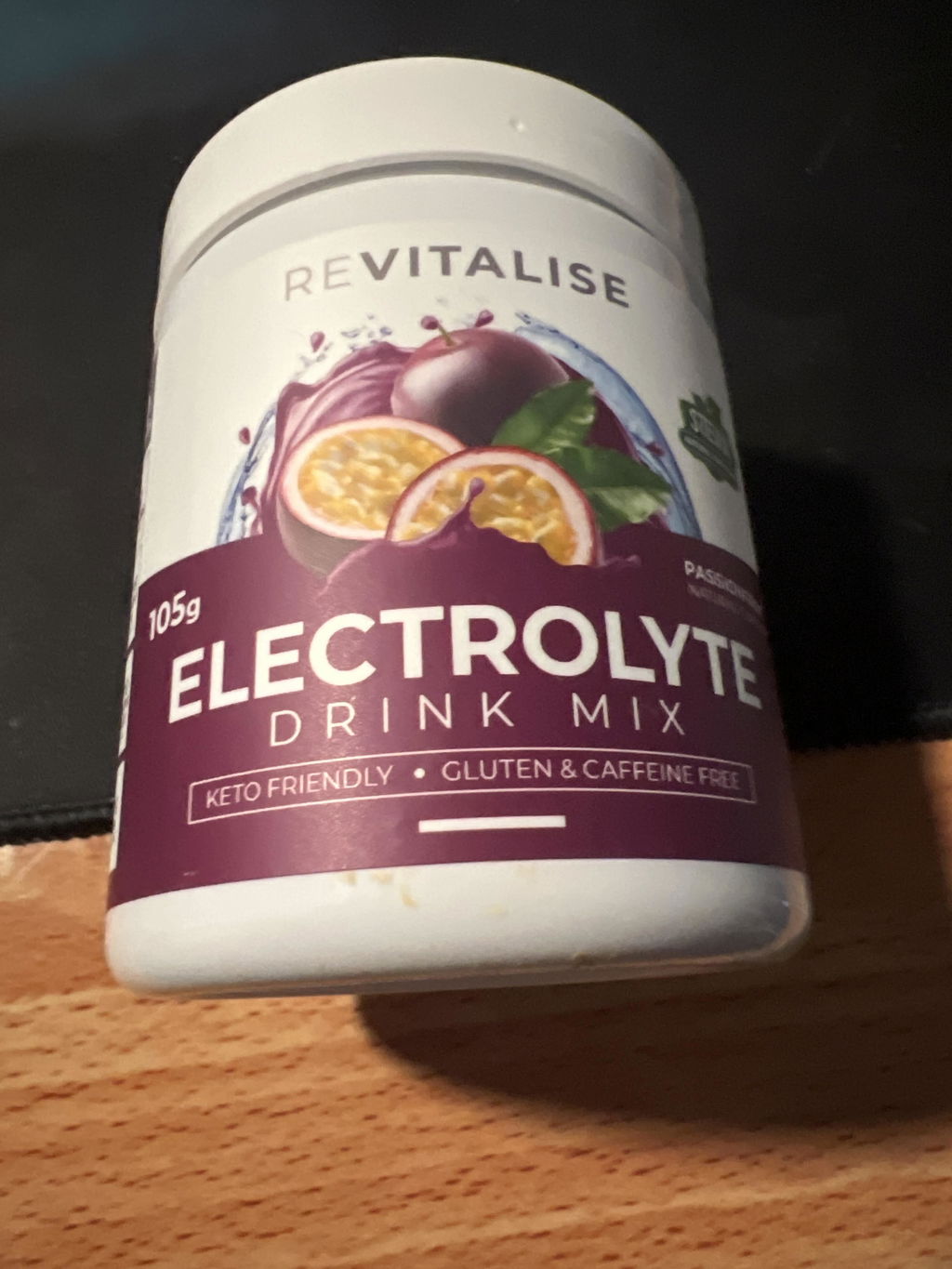
This is where options like High Sodium Electrolytes can become relevant as part of a more balanced hydration approach.
Common Signs You May Need More Electrolytes
Mild electrolyte imbalance is more common than many people realise. It often shows up through subtle signals rather than anything extreme.
You may notice:
- Feeling tired or low in energy throughout the day
- Persistent thirst even after drinking water
- Headaches or lightheadedness
- Muscle cramps or tightness
- Difficulty focusing or feeling mentally flat
- Feeling slightly anxious or unsettled without a clear reason
These signs can often be linked to fluid balance rather than just overall water intake.
When Sodium Needs Can Increase
Your sodium needs are not fixed. They can change depending on your lifestyle, environment and daily habits.
You may require more sodium when you:
- Sweat regularly through exercise or warm weather
- Follow a low carb or ketogenic approach
- Drink coffee frequently
- Have busy or physically demanding days
- Spend long periods on your feet
In these situations, your body may lose more sodium than usual. Replacing it can help support more stable hydration.
Options such as Sodium+ are designed for higher sodium needs and can be used as part of a consistent routine when your lifestyle demands more support.
Why Hydration Is About Retention, Not Just Intake
One of the most overlooked parts of hydration is retention. It is not just about how much you drink, but how much your body can hold onto and use.
Sodium plays a key role in this process. It helps your body maintain fluid balance and supports how water is distributed across cells.
When sodium levels are too low, fluids can move through your system too quickly. This can leave you feeling dehydrated even if you are drinking regularly.
This is why hydration that includes electrolytes often feels more effective than water alone.
Choosing Smarter Hydration Support
Rather than constantly increasing your water intake, a more effective approach is to support hydration with the right balance of fluids and electrolytes.
For everyday maintenance, options like Balanced can help support consistent hydration throughout the day.
For times when your needs are higher, such as heat, exercise or increased fatigue, higher sodium options can be a practical addition.
The goal is not to overcomplicate things. It is about recognising what your body needs and responding with simple, sustainable habits.
When hydration is supported properly, energy, focus and overall balance can feel more stable and easier to maintain.