When you feel tired or low on energy, it is natural to look for a quick fix. A strong coffee, a strict reset or a sudden push to “get back on track”. These approaches can feel productive at first, but they rarely solve what is actually causing the problem.
Energy dips are often not about motivation. More often, they come from inconsistent habits that affect hydration, mineral balance and how your body produces energy.
Long-term energy is built differently. It comes from simple things done consistently, not from occasional bursts of intensity.
Consistency creates the foundation for stable, reliable energy.
Why Extreme Resets Rarely Work
It is easy to fall into the cycle of doing too much, too quickly. You might start a new routine with high expectations, only to find it difficult to maintain after a few days or weeks.
Your body responds better to steady, predictable habits. Large swings in hydration, nutrition or activity levels can actually make you feel more tired over time.
Instead of relying on short-term resets, it helps to focus on habits you can repeat daily:
- Drinking enough water throughout the day
- Keeping electrolytes balanced
- Supporting your energy systems consistently
- Allowing time for recovery
These may seem basic, but they have a powerful impact when done regularly.
How Hydration Affects Your Energy
Even mild dehydration can affect how you feel. You may notice lower focus, slower thinking or general fatigue without realising hydration is part of the issue.
When your fluid levels drop, your body has to work harder to circulate oxygen and nutrients. This can make everyday tasks feel more demanding.
Electrolytes are a key part of this process. They help regulate fluid balance, support muscle function and allow your nervous system to work properly.
Water alone is not always enough, especially in warm climates or during busy, active days.
Why Daily Electrolytes Make a Difference
Adding electrolytes into your daily routine can help support more stable hydration. Instead of reacting to dehydration, you are maintaining balance throughout the day.
Over time, this can support:
- More consistent energy levels
- Better physical performance
- Improved focus
- Fewer afternoon crashes
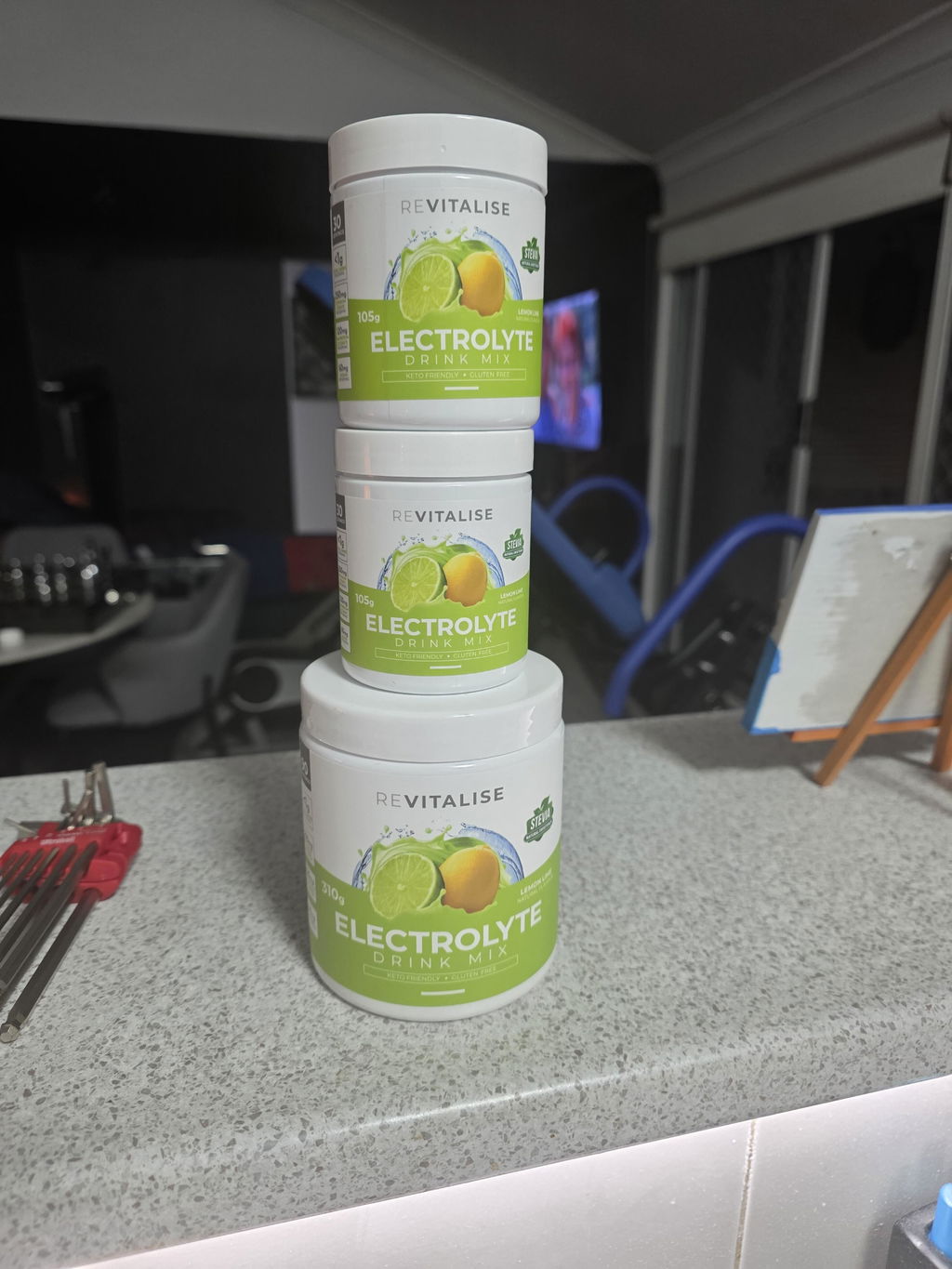
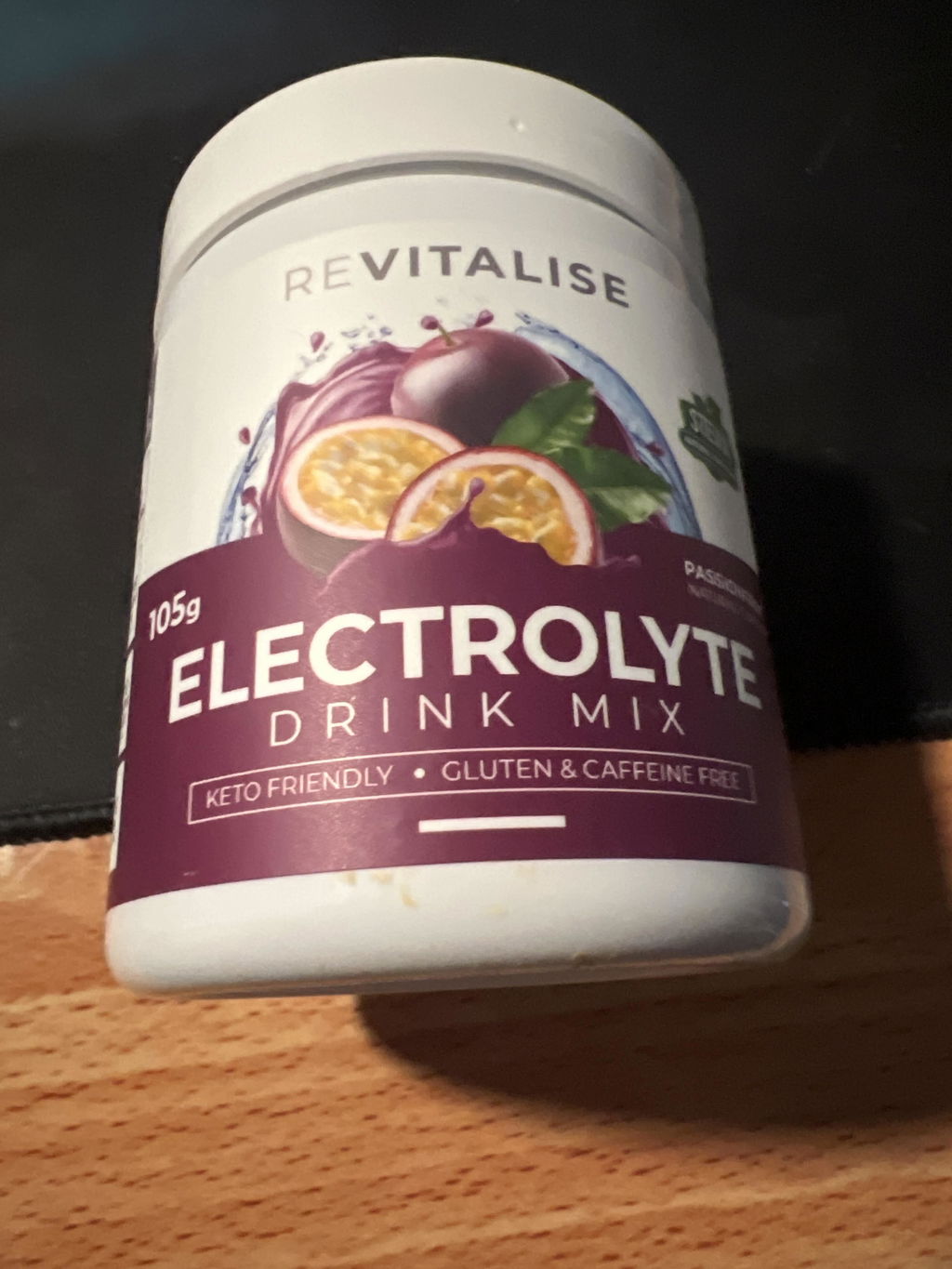
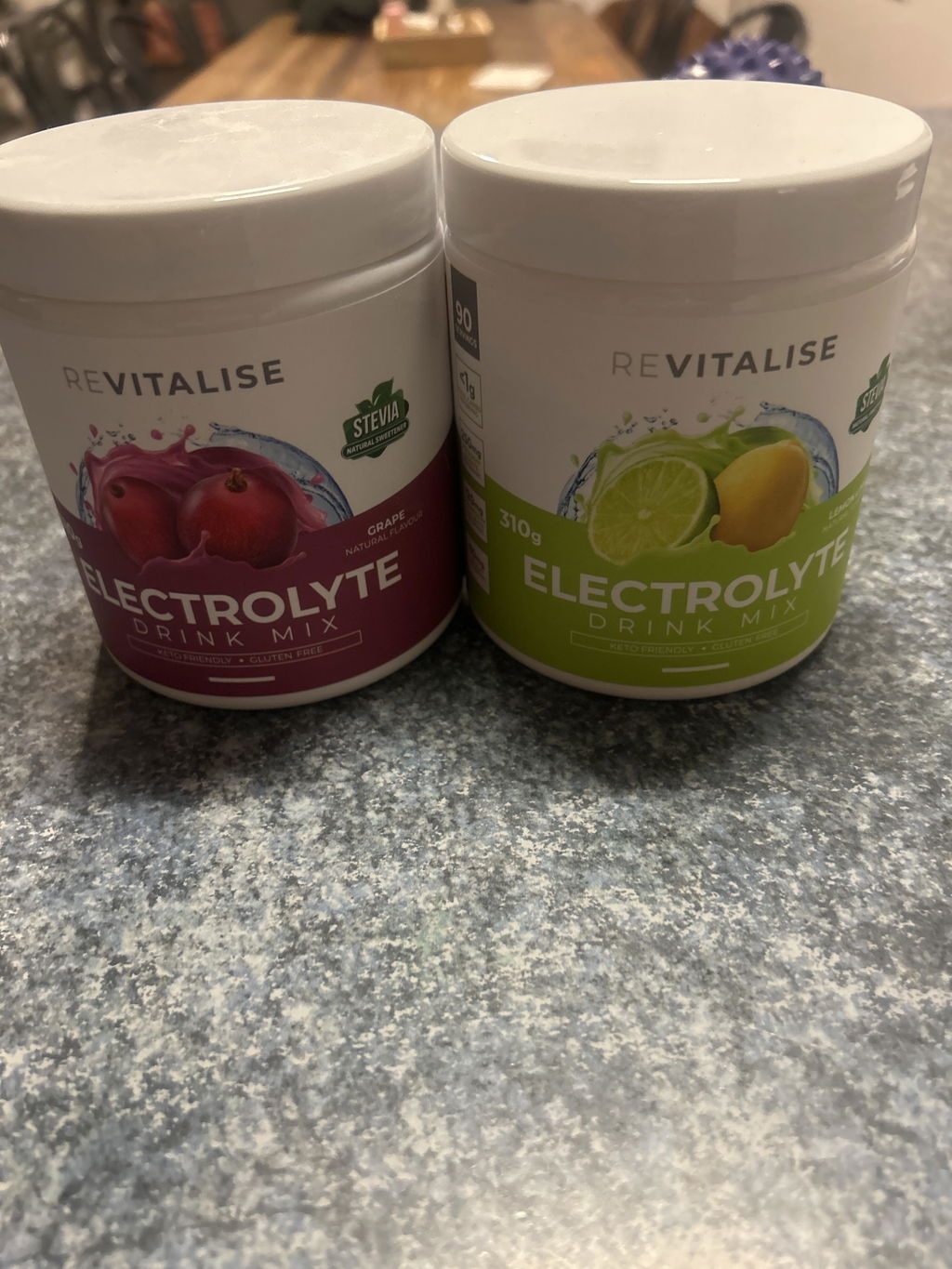
For everyday use, options like Balanced Electrolytes are designed to support daily hydration without overcomplicating your routine.
If your needs are higher due to heat, training or diet, Sodium+ Electrolytes can help support additional sodium intake and fluid balance.
The key is consistency, not occasional use.
Why Creatine Works Over Time
Creatine is often seen as something for intense training, but its role goes beyond that. It supports how your body produces and regenerates energy at a cellular level.
Unlike quick energy boosts, creatine works gradually. When taken consistently, it builds up in your system and helps your cells produce energy more efficiently.
This process, known as saturation, is why daily use matters. You are not chasing a short-term effect, you are supporting long-term function.
Products like Creatine+ combine creatine with electrolytes, making it easier to support both hydration and energy in one simple step.
Simple Habits That Support Energy
Improving your energy does not have to be complicated. In most cases, it comes down to small habits that are easy to maintain.
A simple routine could look like:
- Starting your day with water and electrolytes
- Keeping fluids consistent throughout the day
- Supporting your body with daily supplementation
- Balancing movement with proper rest
These habits work because they support how your body naturally functions, rather than pushing it to extremes.
Building Energy That Lasts
If your goal is to improve energy naturally, consistency will take you further than intensity ever will.
By focusing on hydration, electrolyte balance and daily support, you create a system your body can rely on. Over time, this leads to more stable energy, better focus and improved overall wellbeing.
It may not feel dramatic in the moment, but these small, repeatable actions are what make the biggest difference.