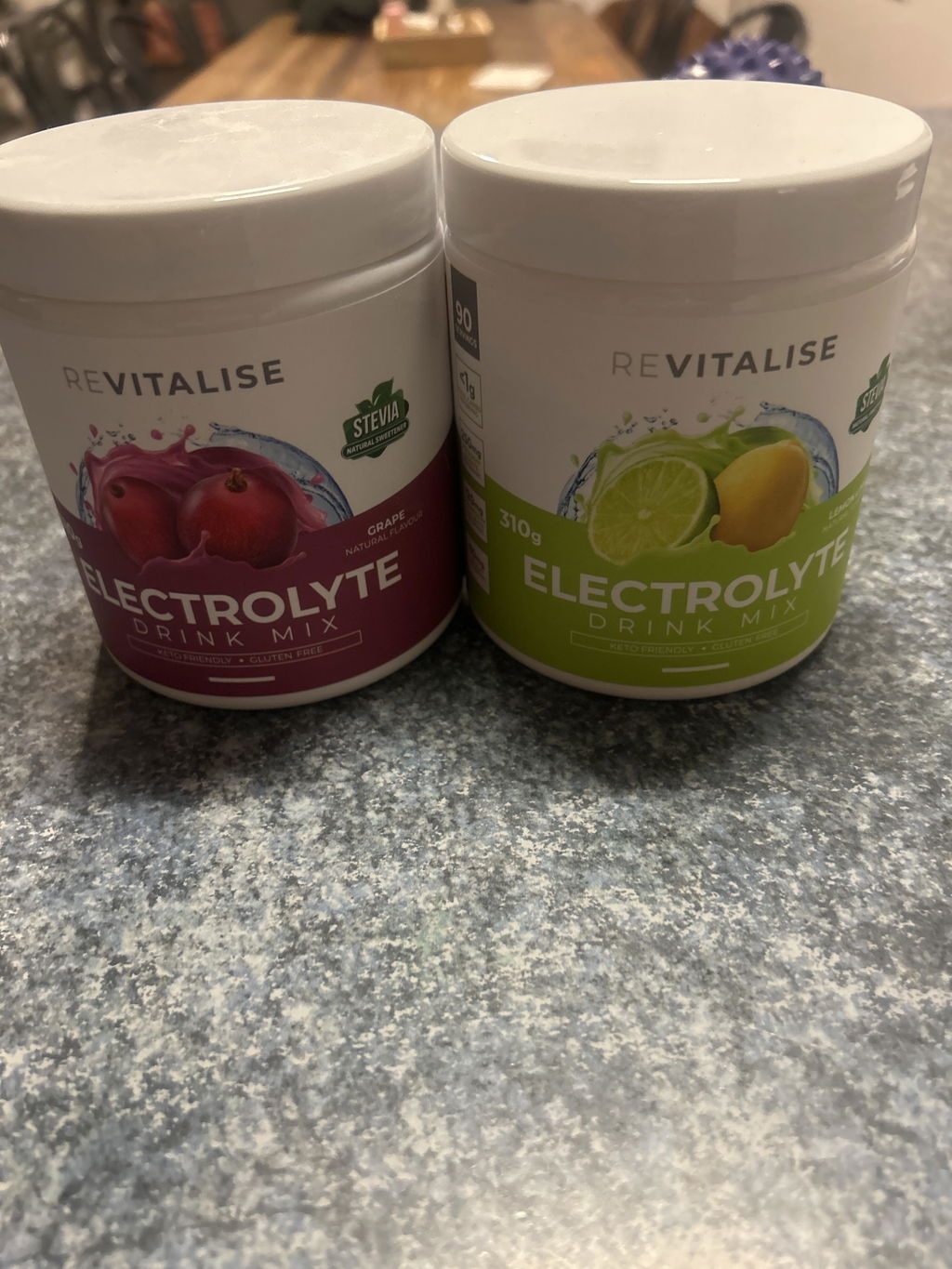
February is when good intentions meet reality. Gym routines are still in motion, step counts are climbing, and hydration suddenly feels more important. But as people focus on fitness, many start questioning what they are actually drinking.
Are sports drinks really helping your hydration, or are electrolytes the smarter choice? The answer depends on what your body actually needs.
What Do Sports Drinks Usually Contain?
Traditional sports drinks were originally designed for endurance athletes training at high intensity for long periods. Most contain:
- Water
- Sugar or glucose
- Sodium
- Flavourings and colourings
- Sometimes small amounts of potassium
The key ingredient in most sports drinks is sugar. It helps replenish glycogen stores during prolonged, high intensity exercise. For elite athletes training for hours, this can make sense.
However, for the average gym session, morning walk or reformer Pilates class, the sugar content can outweigh the benefit. Many commercial sports drinks contain as much sugar as soft drinks. While they may replace some sodium, they can also contribute to blood sugar spikes and crashes, which may leave you feeling more fatigued later in the day.
What Are Electrolytes and Why Do They Matter?
Electrolytes are essential minerals that help regulate fluid balance, nerve signalling and muscle contraction. The main ones include:
- Sodium
- Potassium
- Magnesium
- Calcium
When you sweat, you lose both water and electrolytes. Replacing water alone is not always enough, especially in Australian heat or during intense sessions.
Electrolytes help:
- Maintain fluid balance inside and outside cells
- Support muscle contraction and reduce cramping risk
- Support blood volume and circulation
- Support nerve function and focus
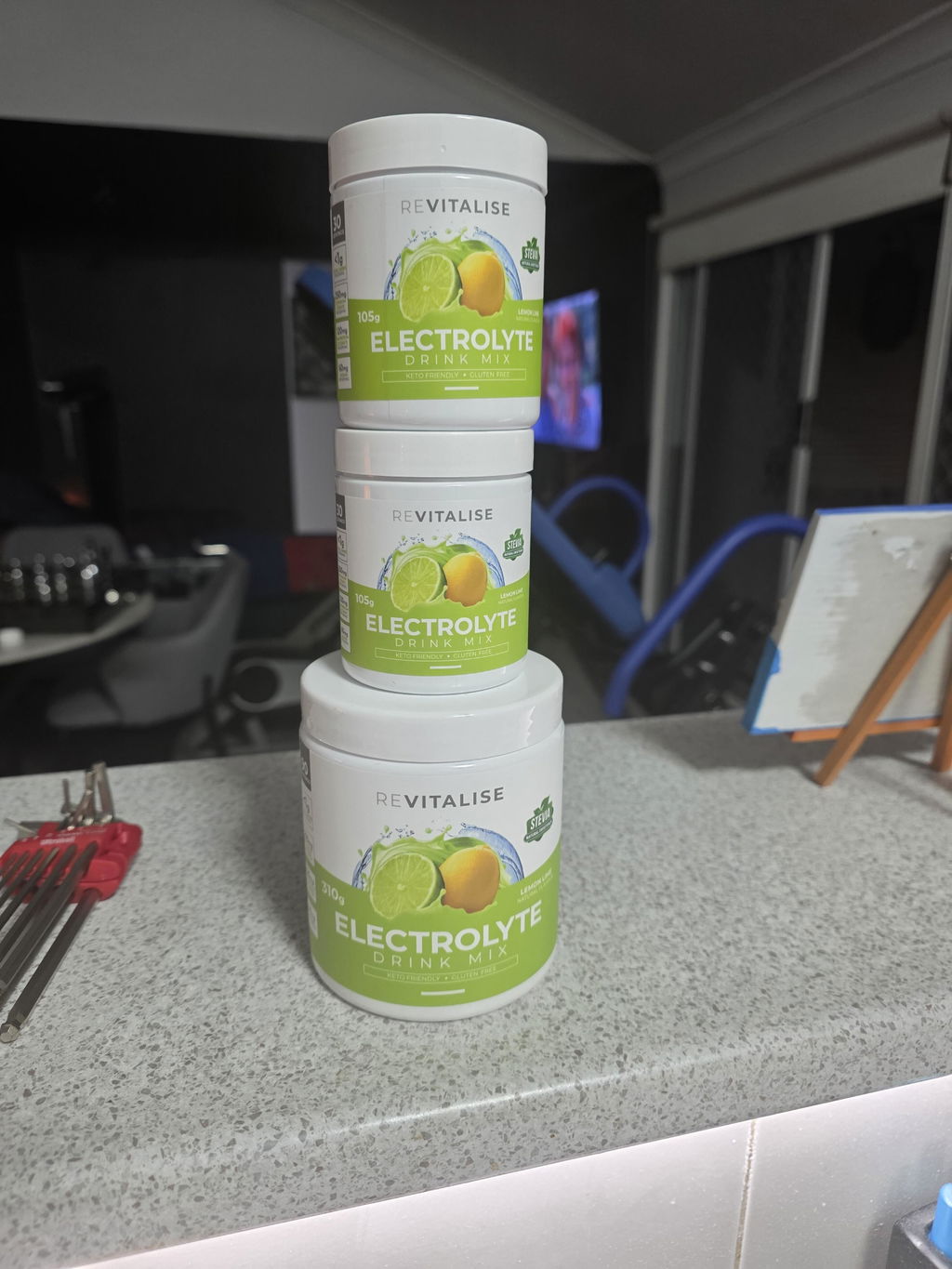
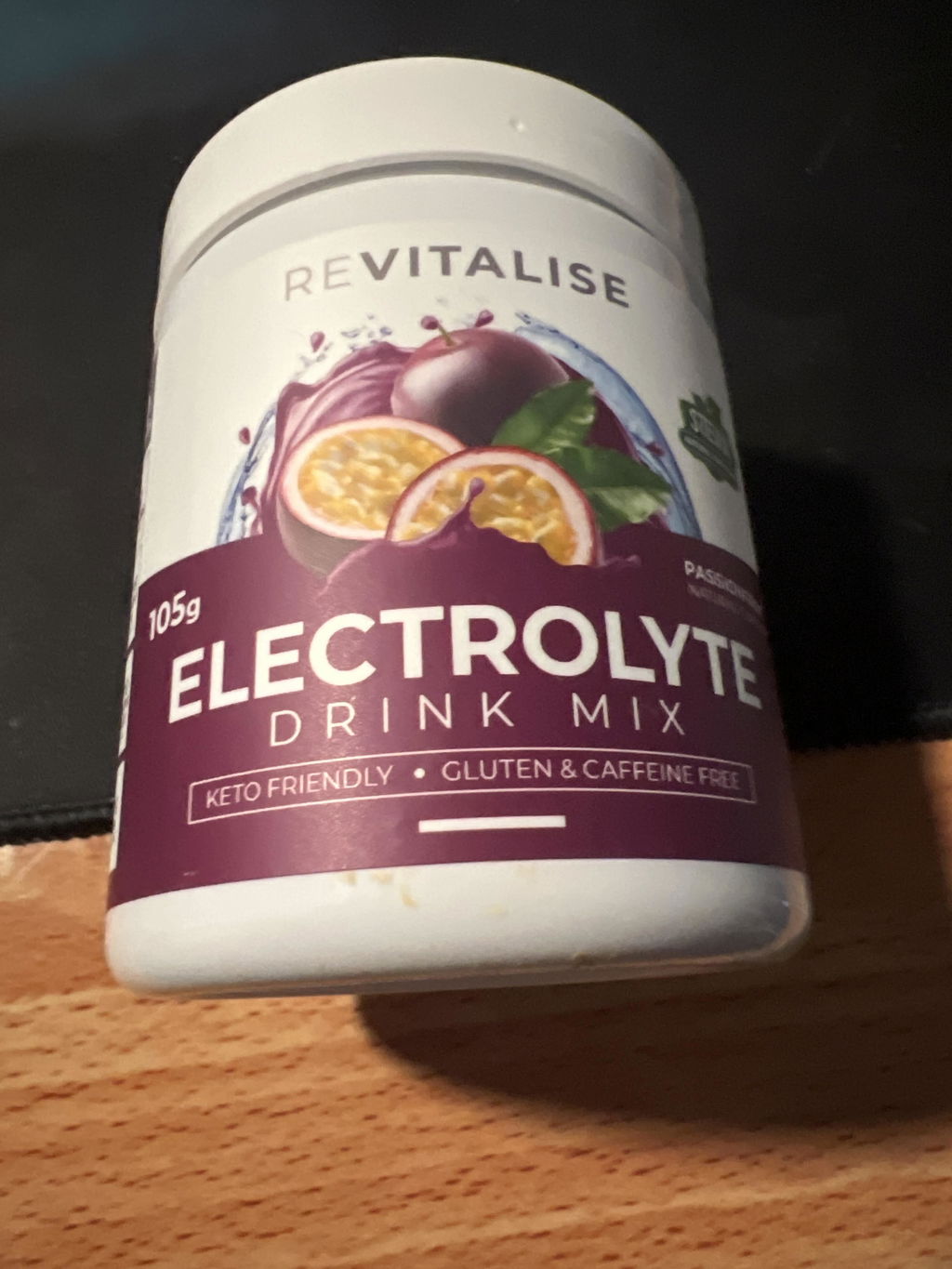
Unlike many sports drinks, quality electrolyte blends do not need to rely on sugar to be effective. Instead, they focus on restoring the minerals your body actually loses. For everyday hydration, options like Zero Sugar Electrolytes can support your routine without added sugar.
When Sports Drinks Might Make Sense
There are situations where traditional sports drinks may be appropriate. If you are:
- Training at high intensity for more than 90 minutes
- Competing in endurance events
- Needing rapid carbohydrate replenishment mid event
In these cases, the sugar content may help sustain performance and delay fatigue. But for most people exercising for under an hour, lifting weights, attending group classes or walking daily, the additional sugar is often unnecessary.
When Electrolytes Are the Better Choice
For everyday hydration, gym sessions, summer heat and active lifestyles, electrolytes are typically the more balanced option. They are especially beneficial when:
- You sweat heavily
- You train in warm conditions
- You feel lightheaded after exercise
- You experience muscle cramps
- You are increasing your activity levels in February
For individuals following low carb, keto or fasting protocols, electrolytes become even more important. Lower insulin levels increase sodium excretion, which can lead to headaches, fatigue and dizziness if not replaced.
Higher sodium formulations such as Sodium+ can be helpful during low carb phases, hot weather or extended training sessions where sweat loss is significant.
Low Carb, Fasting and Keto Considerations
If you are eating low carb or trying intermittent fasting, you may notice symptoms like brain fog, headaches or low energy, especially in the first weeks. This often happens because reduced insulin levels signal the kidneys to excrete more sodium and water.
Supporting hydration with electrolytes can help reduce these symptoms and keep energy more stable, without relying on sugary drinks.
Daily Hydration vs High Intensity Training
Not all hydration needs are equal. Daily hydration is about maintaining consistent fluid and mineral balance throughout the day. It supports focus, digestion, mood and steady energy. For this purpose, a sugar free electrolyte option such as Zero Sugar Electrolytes is often a better fit than a traditional sports drink.
High intensity training may require additional carbohydrates depending on duration and intensity. However, this applies mainly to competitive or prolonged endurance activity, not standard gym workouts.
For strength training, functional fitness or short interval sessions, hydration with electrolytes is usually sufficient. Products that combine hydration with performance support, such as Creatine+ Electrolytes, can also support training output and recovery while maintaining fluid balance.
The Hidden Issue: “Healthy” Assumptions
One of the biggest misconceptions is assuming that anything labelled “sports” automatically equals healthy. Many sports drinks are heavily marketed but are closer to flavoured sugar water with added sodium. While they have a place in specific endurance contexts, they are not essential for everyday fitness routines.
Electrolytes, on the other hand, are about replacing what you lose, not adding what you do not need.
What Your Body Actually Needs
Your hydration strategy should match your activity level and goals. If your February routine includes:
- Moderate gym sessions
- Strength training
- Walking or running under an hour
- Outdoor activity in summer heat
- Low carb or fasting protocols
Electrolytes are likely the more appropriate and balanced choice. If you are competing in endurance events lasting multiple hours, then a carbohydrate containing sports drink may play a role during the event itself.
The Bottom Line
Sports drinks and electrolytes are not the same thing. One prioritises carbohydrate replenishment for endurance athletes. The other focuses on mineral balance and hydration support.
Understanding the difference allows you to choose based on your actual needs rather than marketing claims. If your goal this February is consistent training, clearer focus and smarter hydration, prioritising electrolytes over sugary sports drinks may be one of the simplest upgrades you can make.
Hydration is not about what looks sporty. It is about what supports your body best.