Pregnancy often brings a new level of awareness around nutrition, supplements and overall wellbeing. Many women reassess their routines and start asking more detailed questions about what is safe, what is beneficial and what is still being researched.
One topic that has gained attention recently is creatine during pregnancy. Traditionally associated with sports performance, creatine is now being studied for broader roles in cellular energy, brain development and maternal health.
So what does the science actually say?
What Is Creatine?
Creatine is a naturally occurring compound found in the body, primarily stored in muscles and also present in the brain. It plays a central role in energy production by helping regenerate ATP, the molecule your cells use for energy.
Your body produces creatine naturally, and it is also found in foods such as red meat and fish. Supplementation increases available creatine stores, which is why it is widely used in performance settings.
However, emerging research suggests its potential role may extend beyond exercise.
Creatine and Pregnancy Research
Recent Australian research has explored whether creatine could play a protective role during pregnancy, particularly in situations where oxygen supply to the baby may be compromised.
A study highlighted by the Hudson Institute of Medical Research suggests creatine may help support fetal brain development by improving cellular energy availability during periods of stress. Researchers found that creatine supplementation in pregnancy showed potential protective effects on the developing brain in preclinical models.
You can read more about that research here: Hudson Institute: Creatine in pregnancy and baby brain research
It is important to note that while this research is promising, large scale human clinical trials are still ongoing. Creatine supplementation during pregnancy is an emerging area of study, not yet a universally established guideline.
Why Energy and Hydration Matter in Pregnancy
Pregnancy places increased metabolic demand on the body. Energy requirements rise, blood volume increases and nutrient demands shift.
Because creatine supports cellular energy production, researchers are exploring whether adequate creatine availability may assist both maternal energy and fetal development, particularly in higher risk scenarios.
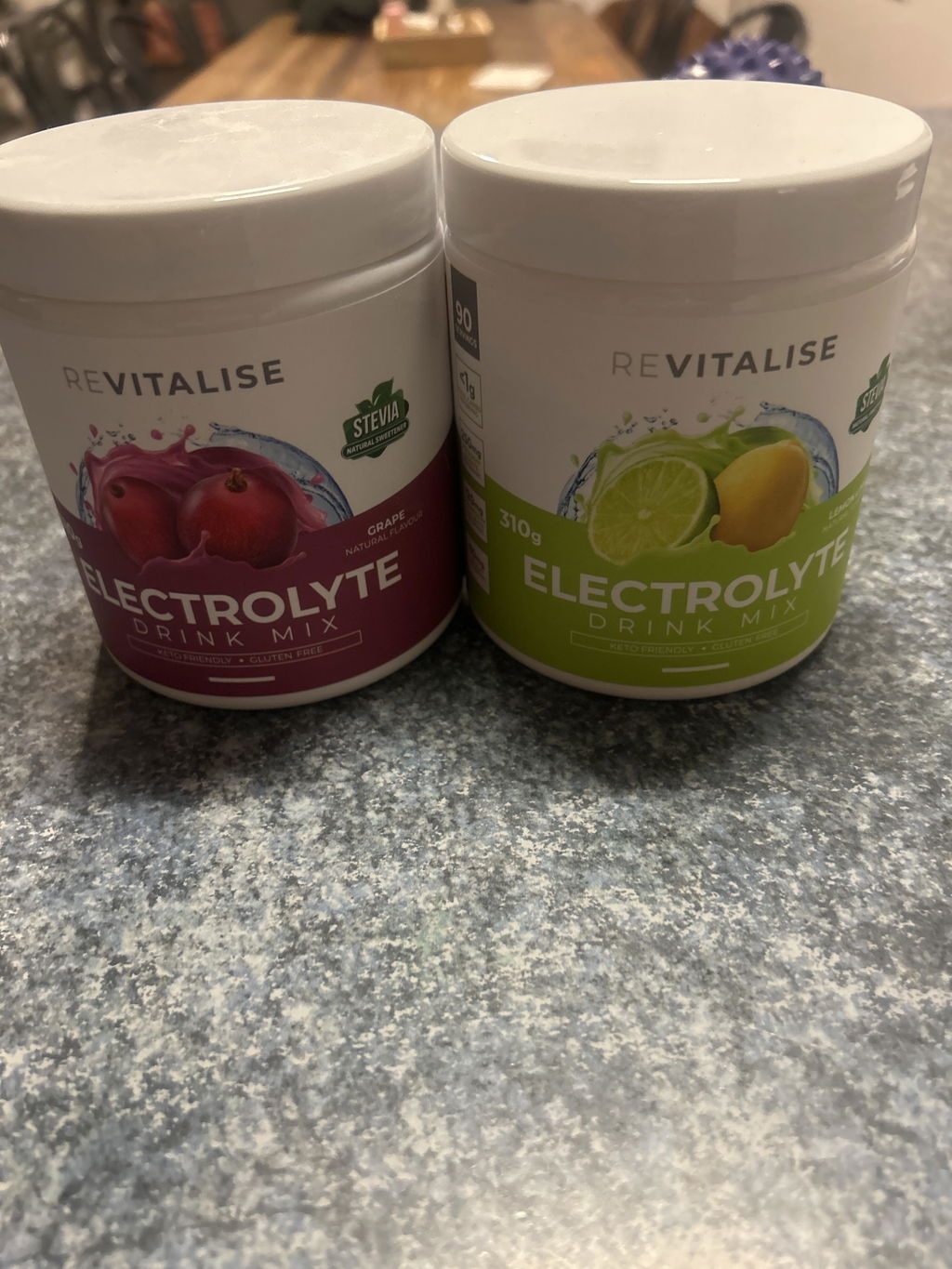
At the same time, hydration and electrolyte balance remain critical during pregnancy. Fluid balance, circulation and muscle function all rely on adequate sodium, potassium and magnesium levels. Exploring gentle hydration options within our Electrolytes collection may support daily fluid balance when recommended by your healthcare provider.
Products such as Creatine+ combine creatine with essential electrolytes in one serve. If you are considering any supplement during pregnancy, suitability must always be assessed individually with professional guidance.

Important Disclaimer
If you are pregnant, planning pregnancy or breastfeeding, always consult your GP, obstetrician or midwife before introducing creatine or any new supplement into your routine.
Creatine supplementation during pregnancy should never be self prescribed. Every pregnancy is different and your medical history, existing conditions, medication use and nutritional status all influence what is appropriate.
A Balanced Approach
The conversation around creatine and pregnancy is evolving. Early research suggests potential benefits in specific contexts, particularly relating to cellular protection and brain development, but more high quality human studies are required.
If you are focusing on overall wellbeing during pregnancy, you may also wish to explore supportive options within the Wellness & Immune Support collection, always in consultation with your healthcare professional.
- Prioritising balanced nutrition
- Maintaining adequate hydration
- Following medical advice tailored to you
- Avoiding unsupervised supplementation
As research continues, we may gain clearer guidance on creatine’s role in maternal health. Until then, informed decisions and professional consultation remain the safest approach.